
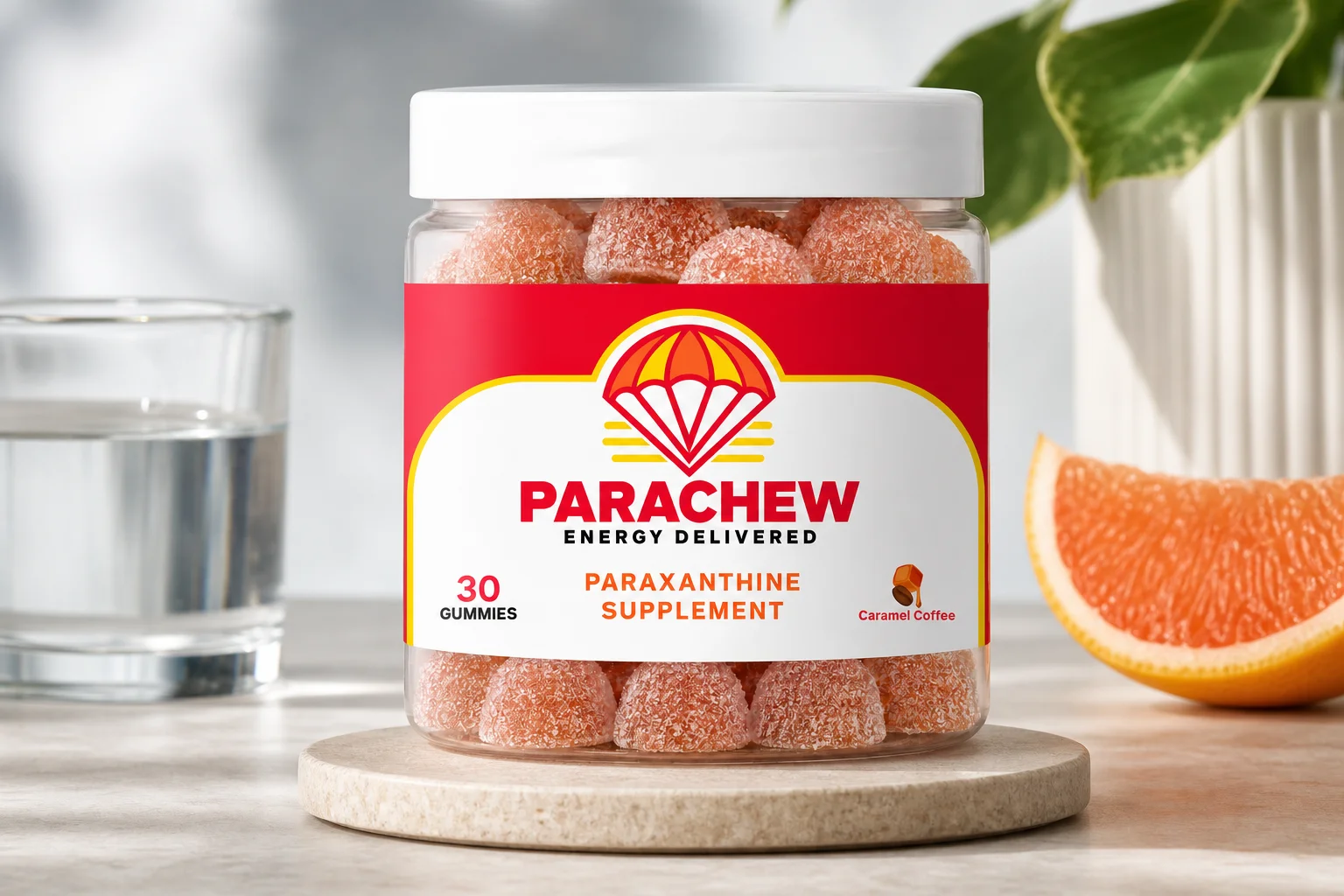
Third-party testing for paraxanthine is the clearest signal that a supplement brand is serious about what goes into its formula. If you're evaluating Parachew energy gummies or any other paraxanthine product, a verified certificate of analysis separates clean, science-backed energy focus from vague marketing claims.
By Parachew Team, McAb Nutra
The supplement industry runs on trust, and trust requires verification. Paraxanthine is a metabolite caffeine produces when your liver processes coffee or tea, and its performance as a standalone compound has attracted serious scientific interest. But "studied in research" and "dosed accurately in your gummy" are two different claims.
Third-party testing for paraxanthine means an independent, accredited laboratory measured what is actually in the product: active ingredient concentration, potential contaminants, heavy metals, microbial load, and anything else that could affect your body. No brand self-certifies credibly without outside verification.
Researchers who have directly compared caffeine to paraxanthine, including He et al. (Journal of Caffeine and Adenosine Research, 2021), demonstrated that paraxanthine provides cleaner cognitive and physical performance signals in human subjects, with fewer of the stimulation pathways that make effects caffeine problematic for sensitive users. Capturing that benefit requires you are actually getting the right compound at the right dose.
What a Certificate of Analysis Covers
A certificate of analysis (COA) is the primary document third-party testing produces. When you are shopping for a paraxanthine supplement or comparing supplements in this category, here is what the COA should address:
Identity and Potency
This section confirms the ingredient is what the label says it is, and that the amount matches the claimed dose. For paraxanthine caffeine-based products, potency accuracy is critical. Parachew gummies deliver 200mg of paraxanthine per gummy, with a daily maximum of 400mg (two gummies), and a legitimate COA will show the measured value falling within an accepted variance of that target.
Heavy Metals and Contaminants
Lead, arsenic, cadmium, and mercury testing fall here. Blood pressure concerns linked to heavy metal contamination are well-documented in occupational and environmental health science. Supplementation with a contaminated product carries risks entirely separate from the active ingredient, so this panel is non-negotiable in a quality QC checklist.
Microbial Testing
Bacteria, yeast, and mold counts tell you the product was manufactured in a clean environment. This is especially relevant for gummy-format supplements, which rely on water activity and pH to inhibit microbial growth across shelf life.
Paraxanthine Science and Why Purity Sets the Baseline
Understanding the science makes purity requirements obvious. Paraxanthine is the primary metabolite caffeine produces during liver metabolism. Unlike caffeine, which body metabolism also converts to theophylline and theobromine, paraxanthine provides adenosine antagonism and phosphodiesterase inhibition without the additional adrenergic stimulation linked to blood pressure spikes and anxiety.
Research available on PubMed Google Scholar, including work by Yoo et al. (Nutrients, 2021), shows that paraxanthine caffeine comparison studies consistently find paraxanthine has a better side effects profile, particularly regarding side effects caffeine users commonly report: jitters, anxiety, sleep disruption, and energy crashes. This advantage depends entirely on purity. Contamination with residual caffeine in a paraxanthine isolate would reintroduce exactly the effects caffeine was meant to sidestep.
Google Scholar searches for paraxanthine supplementation literature, indexed through PubMed Google databases, show an expanding evidence base. That research assumes pharmaceutical-grade purity in the test samples. Your supplement should match those standards.
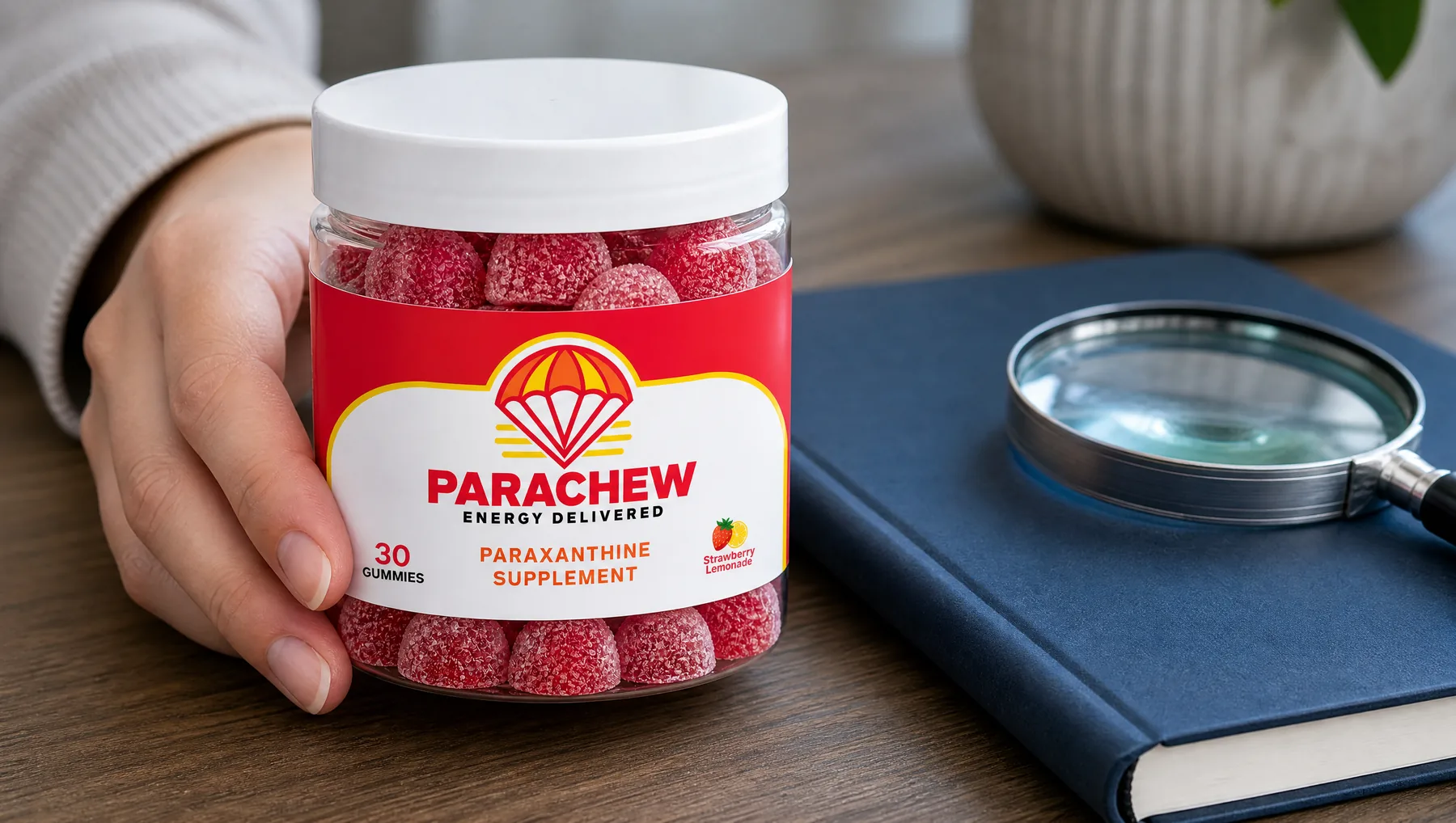
Red Flags in Supplement QC Documentation
Not all testing documentation is equal. Here are patterns that should prompt skepticism before you buy:
No lab name or accreditation number. A credible COA identifies the testing laboratory by name and includes an ISO 17025 accreditation number or equivalent. Without this, the document is unverifiable.
Batch numbers missing. Testing is batch-specific. A COA without a corresponding lot number cannot be matched to the specific product you purchased, even if the test itself was real.
Only one test category shown. A potency-only COA skips the contaminant testing that protects your body. Complete QC coverage includes identity, potency, heavy metals, microbiology, and residual solvents if relevant to the manufacturing process.
Outdated dates. Testing is perishable documentation. A COA from a prior year does not guarantee the current batch meets the same standards.
Generic language with no numerical values. Science communicates in numbers. A report that says "compliant" without measured values provides no meaningful information about what was found or how close to acceptable limits the product came.
How to Request and Read COA Documentation
Most reputable supplement brands publish COAs on their website or make them available on request. For paraxanthine products specifically, you are looking for:
- Paraxanthine content expressed in mg per serving or per unit, compared to the label claim
- A passing result on heavy metals panels, with measured values well below California Prop 65 limits (a conservative benchmark most quality brands reference)
- Microbial counts listed numerically, not just as pass/fail
- A test date within the current product cycle
If a brand will not share third-party testing documentation, that tells you something. Brands confident in their QC process share it because it is a competitive advantage in the cognitive and energy focus supplement space. You can reach Parachew support to request batch-specific COA documentation for any product.
For performance-focused consumers who care about ingredients, transparency in testing is a baseline expectation. Third-party testing for paraxanthine is how you confirm that caffeine paraxanthine separation claims are backed by real analytical data, not marketing copy.
Frequently Asked Questions
What is third-party testing for paraxanthine?
Third-party testing for paraxanthine means an independent accredited laboratory analyzes the supplement to confirm the paraxanthine content matches the label claim, and that the product is free from heavy metals, microbes, and other contaminants. It provides external verification no brand can credibly supply about its own products, making it the gold standard for any serious supplement purchase.
How does paraxanthine differ from caffeine in terms of side effects?
Paraxanthine is the metabolite caffeine converts to in the liver, and research on paraxanthine caffeine comparisons in human subjects consistently shows paraxanthine has a cleaner side effects profile. The effects caffeine produces through adrenergic stimulation, including anxiety, sleep disruption, and blood pressure elevation, are significantly reduced with paraxanthine supplementation, delivering sustained focus without the familiar downsides.
What does a COA tell me about a paraxanthine supplement?
A certificate of analysis from third-party testing shows the measured paraxanthine content, heavy metal levels, microbial counts, and whether the product meets the potency stated on the label. It is the primary document to review before committing to any paraxanthine or other cognitive supplement, and reputable brands make it available on request.
How much paraxanthine is in each Parachew gummy?
Each Parachew gummy contains 200mg of paraxanthine. The daily maximum per label guidance is 400mg, which equals two gummies. This dosing mirrors the concentrations used in published human supplementation studies and keeps you within the research-validated range.
Where can I find paraxanthine research?
PubMed Google Scholar is the best starting point. Search "paraxanthine caffeine" or "paraxanthine cognitive performance" on Google Scholar to surface peer-reviewed studies indexed in PubMed Google databases. Key references include Yoo et al. (Nutrients, 2021) and work published in the Journal of Caffeine and Adenosine Research.
Choose a Paraxanthine Supplement That Shows Its Work
Clean energy focus starts with clean, verified ingredients, and the only way to confirm that is through rigorous third-party testing for paraxanthine. Start your evaluation with the Parachew gummy formula and request the COA before you order.


