
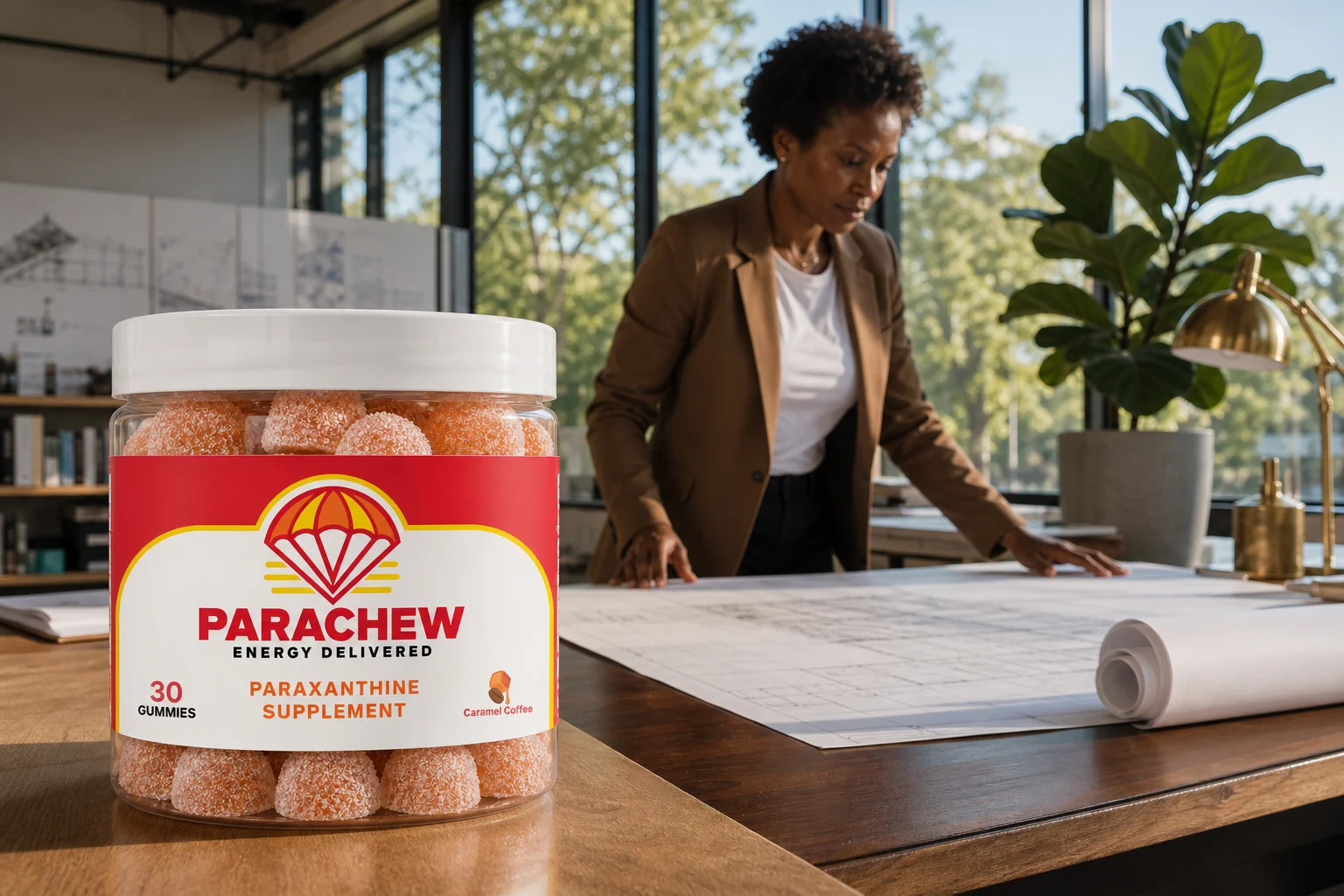
When the 3pm energy dip hits, the paraxanthine vs yerba mate comparison comes down to one question: which source delivers steady focus without the crash? Yerba mate blends caffeine with theobromine and theophylline, while Parachew energy gummies isolate paraxanthine, the caffeine metabolite built to skip the jittery buildup most people associate with caffeine.
By Parachew Team, McAb Nutra
Yerba Mate's Caffeine Blend Compared to Paraxanthine
Yerba mate is a South American holly plant traditionally steeped like tea, and its energy profile is more complex than a single stimulant. A single serving delivers caffeine alongside theobromine theophylline compounds, the same xanthine family found in dark chocolate and green tea. Paraxanthine works differently. It is not brewed from a plant source, it is the primary compound the human liver produces during the caffeine paraxanthine conversion process, the pathway responsible for most of caffeine's breakdown in the body.
Compared side by side, yerba mate hands your body three stimulant compounds to process at once, while paraxanthine arrives as the single metabolite your system was already going to make anyway. Coffee caffeine content varies by roast and brew method, and yerba mate's caffeine content swings just as widely depending on how long the leaves steep, which makes dose matching difficult for anyone tracking intake closely.
How Paraxanthine Interacts With Adenosine Receptors Differently
Both caffeine and its metabolites work by temporarily blocking adenosine receptors in the brain, the same receptors responsible for the sleep pressure that builds throughout the day. Blocking them produces the alertness spike people feel from coffee, energy drinks, or a cup of yerba mate. The difference shows up in binding behavior. Paraxanthine binds to adenosine receptors in a pattern that favors mental clarity over the sharper nervous system stimulation caffeine itself produces. Most people who switch from a caffeine heavy yerba mate habit to paraxanthine describe steadier alertness, without the jitters that can follow a strong cup.
This is also where the side effects caffeine can produce start to diverge. Caffeine's impact on the nervous system, faster heart rate, restless hands, mild anxiety, is well documented. Paraxanthine was studied specifically for avoiding that same side effects caffeine profile, while still delivering a comparable lift. The effects caffeine has on adenosine receptors are real and measurable, but the way paraxanthine binds and clears means most people experience a smoother curve up and down, not a sharp spike followed by a crash.
Why Theobromine and Theophylline Change Yerba Mate's Energy Curve
Yerba mate's three compound stimulant mix, caffeine, theobromine, and theophylline, is part of why its energy curve is harder to predict than a single compound approach. Theobromine is a milder stimulant known for a longer, gentler lift, the same compound found in cacao. Theophylline is a stronger nervous system stimulant historically used in respiratory medicine, and it tends to linger in the body longer than caffeine does. Stack all three together, as yerba mate does, and doses become difficult to standardize from cup to cup depending on the leaf, the steep time, and the water temperature.
Paraxanthine takes a more measured approach. The Parachew gummy formula delivers 200 mg of paraxanthine per gummy, with a labeled daily maximum of 400 mg, or two gummies, so you always know exactly what you're getting. For long-term energy planning, that consistency matters more than most people realize. The body's tendency to favor the metabolite over the parent compound comes down to the paraxanthine to caffeine ratio, the deeper mechanism behind that preference.

Energy Drinks, Matcha, and Green Tea: Where Paraxanthine vs Yerba Mate Fits
Energy drinks typically pack caffeine on top of sugar and other stimulants, which is exactly the combination that tends to produce the sharpest spike and crash pattern. Matcha and green tea sit closer to yerba mate on the spectrum: they still deliver caffeine, just alongside L-theanine, which smooths some of caffeine's edge. But smoothing is not the same as removing. Coffee caffeine, green tea, and yerba mate all still rely on the same parent molecule, and the human body still has to process the same jittery stimulation and elevated heart rate that come with it, whether that's a cup of yerba mate, a matcha drink, or a strong pour over.
Paraxanthine caffeine research points to a cleaner mechanism than blending three stimulants at once. Compared to all three, this paraxanthine vs yerba mate breakdown keeps pointing to the same theme: fewer compounds tend to mean more predictable results. Because paraxanthine is what the body converts caffeine into anyway, choosing it directly means you're not layering a second stimulant on top of a first. That matters for sleep, too. Caffeine and its close relatives can linger in the system for hours, part of why an afternoon coffee or yerba mate session can still affect sleep quality that night. For anyone timing their last dose against bedtime, Parachew product overview covers how the compound's clearance profile differs from a straight caffeine source.
Mental Focus and Performance Benefits for High Output Afternoons
For entrepreneurs, athletes, and anyone chasing sustained afternoon output, the real test is not just energy, it's mental focus that holds up under pressure. Yerba mate has a long track record as a workday ritual, and plenty of people build real focus benefits into that habit. But the same three compound stimulant load that makes yerba mate unpredictable for sleep can also make it unpredictable for performance timing.
Paraxanthine's single compound profile is built for that kind of precision. Reported benefits include sharper mental clarity and steadier alertness through a training block, sales call, or deep work session, without the caffeine caffeine spike and crash pattern that derails an afternoon plan. From a general health standpoint, this also lowers the number of variables your brain and nervous system have to process at once. Fewer stimulant inputs generally means a more predictable performance curve, gym session to gym session or meeting to meeting. That predictability traces back to the conversion process itself: since paraxanthine is what the liver already produces as it breaks down caffeine, using it directly means the body is not introducing a separate compound it still has to metabolize into something else, one less variable in an already variable heavy afternoon.
Frequently Asked Questions
Does paraxanthine give the same energy as yerba mate? Yes, but through a more direct pathway. Yerba mate delivers energy through a caffeine, theobromine, and theophylline blend, while paraxanthine is the single metabolite the body already converts caffeine into. Most people report a comparable lift with a steadier curve, since there is only one compound to process instead of three separate stimulants competing for the same adenosine receptors.
What is the paraxanthine vs yerba mate difference for sleep? Yerba mate's caffeine and theophylline content can both linger for hours, which is why an afternoon serving sometimes affects sleep that night. Paraxanthine clears through a different pathway and does not carry theophylline's longer half life, so a gummy taken earlier in the day is less likely to interfere with evening sleep for most people.
Can yerba mate or paraxanthine cause side effects? Yerba mate's blended stimulants can produce the typical side effects caffeine is known for, jitters, a faster heart rate, and mild restlessness, especially at higher doses. Paraxanthine was specifically studied for sidestepping that profile. Its binding pattern at adenosine receptors is associated with steady alertness rather than the sharp spike tied to those effects.
How much paraxanthine should I take compared to yerba mate's caffeine? Each Parachew gummy contains 200 mg of paraxanthine, with a labeled daily maximum of 400 mg, or two gummies. Yerba mate's caffeine content varies widely by brew, often landing between 30 and 50 mg per cup, which makes it harder to dose consistently. Starting with one gummy and assessing how you feel is the simplest way to compare.
Is paraxanthine stronger than green tea or matcha for energy? Green tea and matcha contain modest caffeine paired with L-theanine, which softens some effects but does not remove them. Paraxanthine offers a more concentrated, single compound lift without added caffeine, so most people find it delivers noticeably more sustained focus than a cup of matcha or green tea alone.
See How Paraxanthine Compares to Your Own Afternoon Routine
Ready to trade yerba mate's unpredictable three compound blend for a single, measured dose of clean energy? The comparison keeps coming back to the same idea: fewer stimulant compounds and a more consistent dose beat a variable steep, whether that steep comes from a gourd of yerba mate, a cup of coffee, or a scoop of matcha.


