
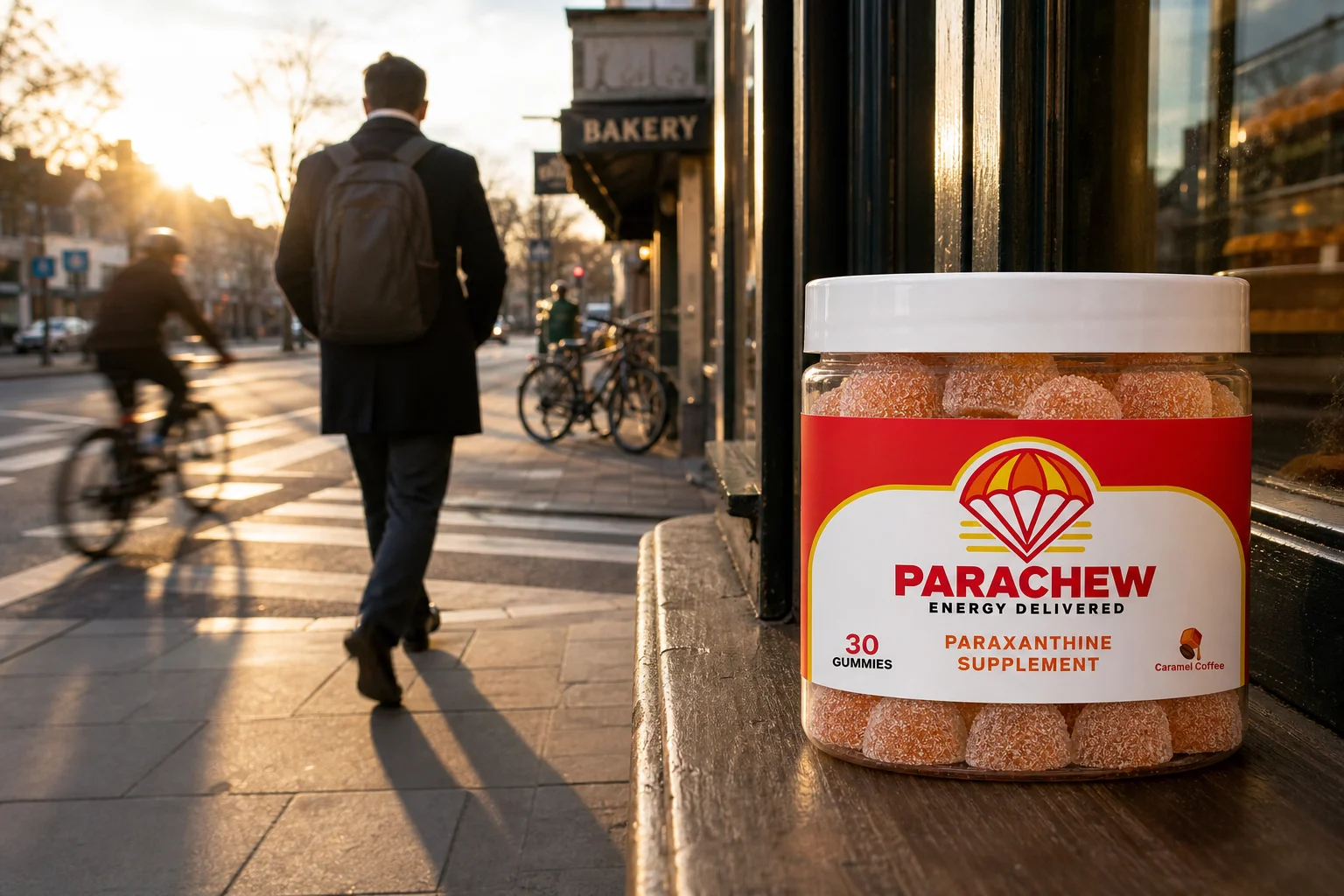
If you're tired of the 2pm crash, real coffee alternatives that actually wake you up include matcha, yerba mate, and paraxanthine options like Parachew energy gummies. Below, eight options are ranked by actual alertness, caffeine content, and how they feel in your body, not marketing hype.
By McAb Nutra, McAb Nutra
What Coffee Alternatives Actually Give You Energy (Not Just Hype)
Not every "coffee alternative" on a wellness blog actually does anything. Some genuinely wake the body up; others just taste good and let caffeine sneak back in through the flavor. Unlike a sugar-heavy energy drink, none of these eight options lean on sugar for their lift. These are the ones that hold up when you look at what's actually in the cup, chew, or glass:
- Yerba mate: naturally caffeinated, brewed like tea, delivers a steady lift.
- Matcha: whole-leaf green tea powder, pairs caffeine with L-theanine for a smoother feel.
- Green tea: lighter caffeine content than coffee, plus real health benefits from its catechins.
- Black tea: closer to coffee in caffeine content than green tea, still gentler on the body.
- Chicory root "coffee": roasted chicory root brewed to taste like coffee, with zero caffeine.
- Cacao or cocoa: natural theobromine gives a mild, slow-building boost, especially good stirred into warm milk.
- Paraxanthine gummies, like Parachew energy gummies: caffeine's own metabolite in chewable form, built for energy without the jitters caffeine itself can cause.
- Cold water and morning light: no caffeine at all, but genuinely wakes the body through temperature and circadian signaling.
Ranked for real-world alertness, yerba mate, matcha, and paraxanthine gummies consistently outperform the rest, since each delivers a real active compound instead of just swapping one warm drink for another.
How Coffee Alternatives That Actually Wake You Up Compare to Your Morning Cup
A cup of coffee wakes you up fast because caffeine hits your bloodstream and blocks adenosine, the molecule that makes you feel sleepy, within about 20 to 45 minutes. Coffee alternatives that actually wake you up as well as regular coffee need to do the same job, just through a gentler curve.
Yerba mate and black tea come closest to matching regular coffee's speed, since both carry meaningful caffeine content. Matcha and green tea build more slowly and hold longer, since the L-theanine in green tea helps smooth out the peak instead of spiking it. Paraxanthine works differently: it's the compound your body already converts caffeine into, so it moves through the same adenosine pathway coffee uses, without needing caffeine itself to get there first. That's why paraxanthine gummies feel like coffee's clean-energy effect arrives on its own, minus the swings regular coffee can cause.
The Best Coffee Substitute If You're Sensitive to Caffeine or Get Jittery
Caffeine itself is the source of the jitters, racing heart, and anxious edge some people feel after coffee. That reaction happens because caffeine binds broadly across the nervous system. Paraxanthine, the metabolite your liver makes from caffeine anyway, is built to sidestep exactly that: it's known for delivering alertness with a cleaner profile than caffeine itself, which is why it's become a go-to coffee alternative for people who love the lift but not the shake.
Each Parachew gummy carries 200 mg of paraxanthine, with a daily max of 400 mg, or two gummies, per the label. That ceiling matters: staying within it is part of what keeps the experience smooth, so there's no reason to stack extra caffeine on top or reach for a second cup. For anyone whose hands shake after one cup of coffee, this is the most direct swap on the list, since it targets the same energy pathway without caffeine's harsher edges.
Matcha, Yerba Mate and Green Tea: How the Plant-Based Options Compare

Matcha, yerba mate and green tea all come from related plant traditions but behave differently in the body. Matcha delivers the most caffeine of the three because you drink the whole ground leaf, not just a steeped tea bag. Yerba mate sits in the middle, with a caffeine content close to a mild cup of coffee. Green tea and black tea, green tea's more oxidized cousin, sit lowest of the group, though black tea creeps closer to coffee.
Health benefits differ too: green tea's catechins and matcha's concentrated antioxidant load are well documented, while yerba mate carries its own polyphenol profile tied to traditional South American diets. None of the three touches paraxanthine's dosing directly, since paraxanthine isn't a plant compound at all, it's the metabolite caffeine turns into inside the body. Both paraxanthine and green tea sidestep caffeine's roughest edges, but paraxanthine's speed against green tea tips the scale toward paraxanthine for anyone who wants alertness sooner rather than a gradual climb.
Caffeine Content Compared: Coffee vs. Popular Alternatives
Regular coffee typically runs about 80 to 100 mg of caffeine per 8-ounce cup, depending on the roast and brew method. Black tea usually lands around 40 to 70 mg, yerba mate close behind at roughly 65 to 85 mg, and green tea considerably lower at about 25 to 35 mg per cup. Matcha runs higher than steeped green tea since the whole leaf is consumed, often landing closer to black tea's range. Chicory root coffee has no caffeine, and cacao has only a little alongside its theobromine.
Paraxanthine doesn't fit this chart the same way, since it isn't measured against a "cup" the way tea and coffee are. A single Parachew gummy delivers a fixed 200 mg of paraxanthine, already dosed rather than brewed, which is part of why the amount landing in your body doesn't swing with steep time or grind size the way a cup of coffee's caffeine content can.
How to Switch From Coffee to a Coffee Alternative Without the Crash
Dropping regular coffee cold turkey often trades one crash for another: caffeine withdrawal headaches and fatigue for a few days before energy stabilizes. The easier path is a gradual swap, cutting your cup of coffee back by half while adding in one coffee alternative, then finishing the transition over one to two weeks instead of one day.
Coffee alternatives that actually wake you up without triggering caffeine's rebound crash tend to share one trait: they either taper caffeine gradually, like green tea and black tea, or replace the caffeine pathway itself instead of adding more caffeine to compensate, like paraxanthine. Water intake matters here too. A lot of what feels like a coffee crash is actually mild dehydration, since coffee itself is a mild diuretic, so a glass of water alongside your usual cup helps more than it sounds like it should. If you're still deciding between a chew and a cup, reach Parachew support for a quick read on which flavor and dose fits your morning routine.
Frequently Asked Questions
What's the best caffeine-free way to wake up in the morning? Cold water, bright light exposure within the first 30 minutes of waking, and light movement are the most reliable caffeine-free options, since they work through temperature and circadian signaling rather than a stimulant. Chicory root coffee is the closest caffeine-free swap if you specifically miss the ritual of a hot cup.
Is there anything that wakes you up better than coffee? "Better" depends on what you're optimizing for. Paraxanthine gummies match coffee's alertness through the same pathway caffeine eventually converts into, without caffeine's jitters or crash, which is why people who've tried both often describe it as a cleaner version of the same wake-up effect rather than a stronger one.
What is the healthiest coffee alternative for energy? Green tea and matcha carry well-established health benefits from decades of research on their antioxidants, alongside a gentler caffeine content than coffee. For people managing caffeine sensitivity specifically, paraxanthine offers a different kind of advantage: the same energy pathway without caffeine's harsher side effects.
Does matcha give more sustained energy than coffee? Matcha's L-theanine tends to smooth out the peak and stretch the lift longer than a regular coffee's faster spike and drop, though its total caffeine content is often close to a cup of black tea. It's a better fit for a slow, steady morning than a fast jolt.
How long do Parachew paraxanthine gummies take to kick in? Individual response varies, but most people feel the energy building within a window similar to a cup of coffee. Staying within the labeled amount, up to two gummies (400 mg) per day, is part of what keeps the effect smooth rather than overwhelming.
Try Parachew Energy Gummies for Yourself
If you're ready to trade caffeine's rough edges for a steadier lift, Parachew paraxanthine gummies deliver a dosed 200 mg per gummy so you always know exactly what you're getting.


