
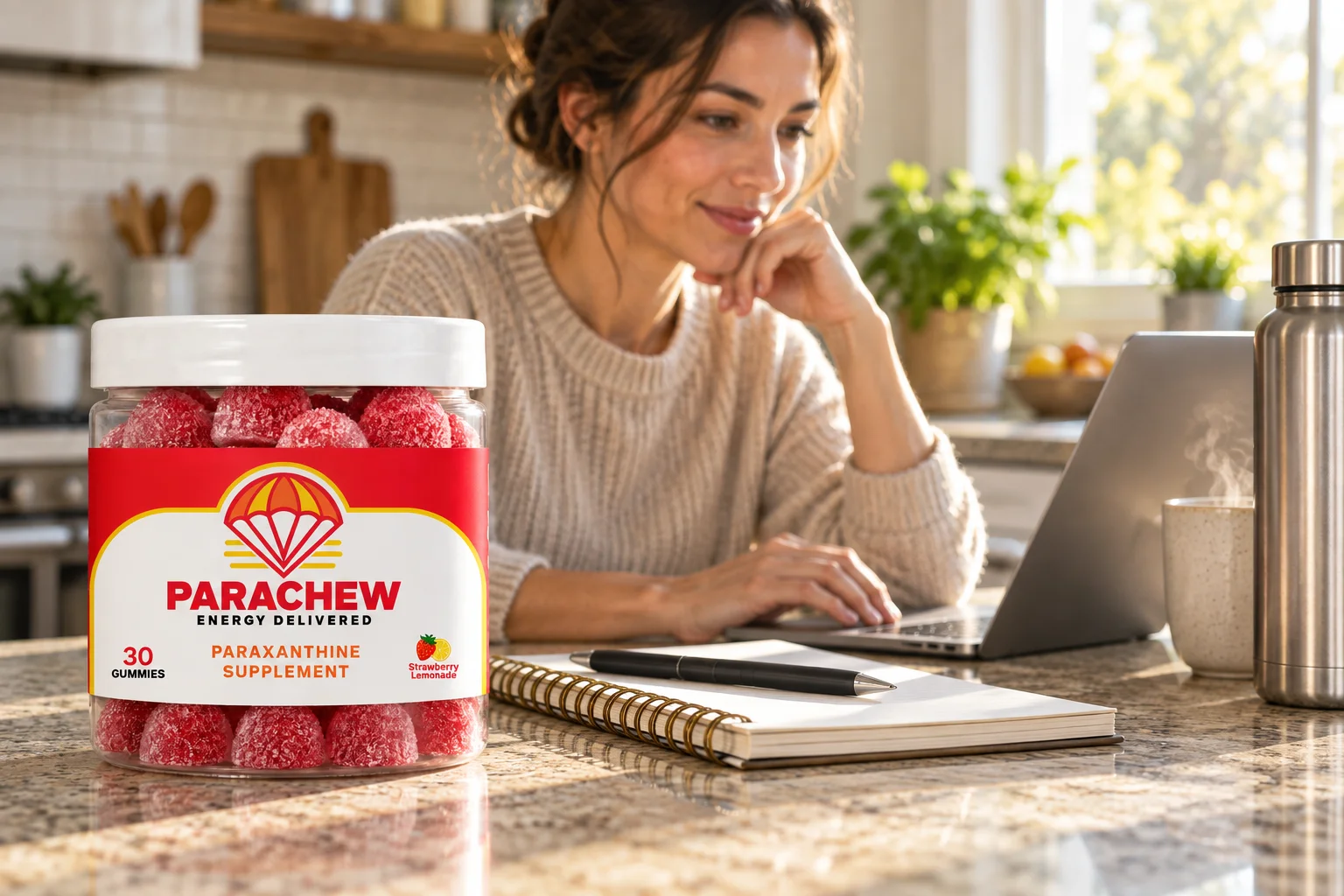
The cheapest clean energy per serving usually comes from bulk powders and subscription gummies, not single-serve drinks or shots, because packaging and shipping eat a bigger share of the price the smaller the format gets. This guide ranks eight common formats, including Parachew energy gummies, by what actually drives their per-200-mg cost.
By McAb Nutra, McAb Nutra
What Does Cost Per Serving Actually Mean for Clean Energy Products?
Cost per serving is simply the price of one dose divided by how many doses come in the container, standardized here to a 200 mg reference dose since that is what a single Parachew gummy provides. It is the only number that lets you compare a jar of gummies against a case of cans or a tub of powder on equal footing, the same way households compare the cost of solar panels, wind energy, or grid power per kilowatt-hour rather than by the sticker price of the whole system. It's the same logic behind why renewable energy projects report a cost per unit of generation instead of a total price tag. A cheaper container can still be the more expensive way to get clean energy if it holds fewer servings or a smaller dose per serving, and a pricier jar can turn out to be the cheapest clean energy per serving once you do the math. The rest of this guide walks through that math for eight common formats, then hands you a formula you can run on anything already sitting in your cabinet.
Which Products Offer the Cheapest Clean Energy Per Serving?
Format drives price more than brand does. The broader energy industry shows the same pattern: geothermal energy plants and large-scale gas or coal generation capture economies of scale that a single fossil-fuel source on a small footprint cannot match, and the cheapest sources per unit almost always come from the biggest, most established build. Ranked from generally cheapest to generally priciest per 200 mg serving:
- Bulk powder or drink-mix tubs. Buying one large container spreads manufacturing and packaging costs across dozens of servings, which usually makes this the cheapest clean energy per serving of any format.
- Subscription gummy jars. A recurring order locks in a standing price and skips the one-off retail markup, so a subscribed jar typically runs noticeably below a one-time purchase of the same size.
- One-time purchase gummy jars. Still efficient, since the jar format spreads cost across 30 servings, just without the subscription discount layered on top.
- Capsule or tablet bottles. Similar bulk-serving math to gummies, though the capsule shell and fill add a small per-unit cost most gummies skip.
- Individually wrapped stick packs. Convenient for travel, but each serving carries its own wrapper, which raises the packaging share of the price compared to a shared jar or tub.
- Ready-to-drink cans and bottles. A large share of the price pays for the can, the water, and cold-chain shipping rather than the active ingredient, so this format tends to run well above jars or powders per serving.
- Single-shot liquid vials. Small serving sizes packed in individual glass or plastic containers push the packaging-to-ingredient ratio even higher than cans.
- Novelty formats like energy gum or lozenges, priced for convenience and impulse purchase rather than volume, usually land at the top of the per-serving cost range.
Where a specific jar or can lands on that list depends on its own serving count and dose, not just its format, which is why the calculation below matters more than the ranking alone.
How Do You Calculate Cost Per Serving for Gummies, Drinks, and Capsules?
The math is the same across every format: divide a container's total price by its number of servings, then scale to 200 mg if the dose per serving is not already there. A jar with 30 gummies at 200 mg of paraxanthine each already matches the reference dose used throughout this guide, so its per-serving cost stands as-is. A powder or capsule dosed differently needs a quick adjustment: divide its per-serving price by its milligram count, then multiply by 200 for an apples-to-apples number. Skipping that step is the main reason two similarly priced products turn out to have very different real costs once dose is accounted for. Reading the actual servings-per-container number, not just the front-of-label serving size, catches the other common gap: some containers count a smaller scoop or partial gummy as one serving specifically to make the per-unit price look lower than the true per-200-mg price.

Why Does Price Per Serving Vary So Much Between Clean Energy Brands?
Several factors stack on top of format to move price per serving up or down. Ingredient sourcing is one: paraxanthine is a more specialized, purpose-built compound than bulk caffeine, and a brand that doses it precisely at a clean, single 200 mg amount per serving is paying for consistency that a vaguely labeled proprietary blend often is not. It's the same way a green energy provider that documents its emissions impact charges more than one that does not, since verified benefits cost more to prove than to claim. Manufacturing scale is another factor: a brand running larger batches through established production systems spreads its fixed costs across more units than a smaller-batch operation can, which shows up directly in shelf price. Marketing and retail overhead matter too, since a product sold primarily through big-box retail carries slotting fees and margin that a direct-to-consumer brand can skip. Flavor and formulation complexity add a smaller but real cost, since a sugar-coated gummy sold in two flavor lines, like Caramel Coffee and Strawberry Lemonade, costs more to formulate and manufacture than a single unflavored capsule.
Is Buying in Bulk or Subscribing the Cheapest Way to Get Clean Energy Per Serving?
For most formats, yes. A standing subscription order removes the one-off retail markup and the per-order shipping cost that a single jar absorbs on its own, and it gives the brand predictable demand to plan production around, both of which typically show up as a lower price per serving than a one-time purchase of the same jar. Checking your typical monthly serving count against the subscription options on the Parachew product page is the fastest way to see whether a standing order actually lowers your real cost per serving, or whether a smaller one-time jar fits better. Bulk buying has a real limit, though: a serving that expires in the cabinet before you use it was never actually cheap, so the right cadence is the one that matches how many 200 mg servings you use in a month, not the largest discount tier available.
Frequently Asked Questions
What is the cheapest clean energy product per serving right now? Bulk powder tubs and subscription gummy jars are typically the cheapest clean energy per serving, since both spread packaging and manufacturing cost across dozens of servings instead of one. Ready-to-drink cans, single-shot vials, and novelty formats like gum usually cost more per 200 mg because a larger share of the price pays for the container rather than the dose. Check the current listed price and servings count on the product you're considering for an exact number.
How much does a 200 mg serving of clean energy typically cost? It depends on the format, the ingredient, and whether the brand sells through retail or direct subscription, so there is no single number that holds across products. What stays constant is the math: divide the container's price by its servings, adjusting for dose if it is not already 200 mg. For the exact current price on a specific jar or flavor, check the product page or contact the brand directly.
Is paraxanthine cheaper than caffeine per serving? Raw caffeine is cheaper to source than paraxanthine, since paraxanthine is caffeine's metabolite, a more specialized compound dosed precisely at 200 mg per serving rather than left to convert naturally over time. The real comparison is value, not just ingredient cost: paraxanthine delivers energy through the same adenosine-receptor pathway as caffeine but without the jittery spike or crash, so a serving that does not need a second dose or a nap to offset it often ends up the better deal even at a slightly higher price.
Does a subscription lower the cost per serving? For most brands, yes. A standing subscription order skips the one-off retail markup and gives the brand predictable demand to plan production around, both of which usually translate into a lower price per serving than a one-time purchase of the same size. The savings only help if the cadence matches how many servings you actually use each month, so match the order size to your real routine first.
What is the best value clean energy product for the price? The best value option is the one with the lowest true cost per 200 mg serving once dose, servings per container, and subscription pricing are all factored in, not just the lowest sticker price on the shelf. A jar that costs more upfront but delivers a full, accurately dosed 200 mg serving without extra caffeine to compensate for a crash often works out cheaper in practice.
Compare Your Cost Per Serving with Parachew
Running the math above against your own monthly serving count is the fastest way to know whether you are actually getting the cheapest clean energy per serving available to you, or just the lowest sticker price. If a specific flavor, subscription cadence, or bulk order doesn't add up the way you expected, reach Parachew support and get a straight answer before you stock up.


