
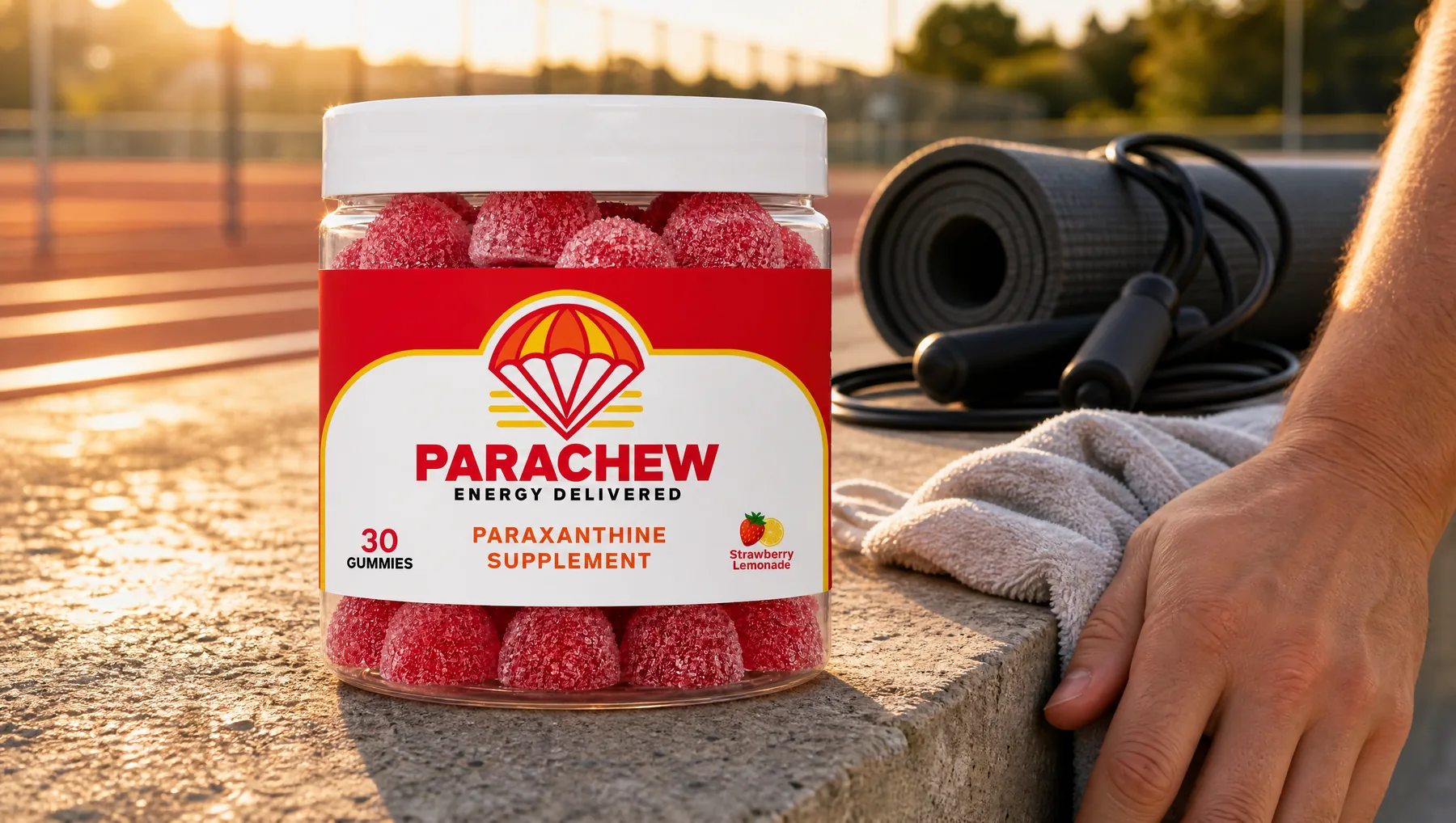
Paraxanthine for working out caffeine-free is a legitimate, research-supported option for adults who cannot tolerate traditional stimulants. Parachew energy gummies deliver 200mg of purified paraxanthine per serving, the caffeine metabolite that produces energy without jitters, crashes, or anxiety. Here is what the performance data actually shows.
By Parachew Team, McAb Nutra
Why Caffeine Sensitivity Creates a Performance Gap
For a significant portion of athletes and active adults, caffeine is a liability rather than an asset. Jitters, elevated heart rate, anxiety, and post-workout crashes are not random responses. They are predictable outcomes of how caffeine interacts with adenosine receptors and triggers cortisol and adrenaline release in sensitive individuals.
This creates a real performance gap. The pre-workout formulas and energy drinks that fuel other athletes become counterproductive for caffeine-sensitive adults. The side effects consistently outweigh the training benefits, leaving this group under-served by mainstream sports nutrition.
The caffeine paraxanthine relationship is the mechanism that addresses this gap directly. Paraxanthine is the primary metabolite your liver produces when it processes caffeine. Isolating it as a standalone compound captures the performance-driving signal without activating the broader receptor cascade that makes caffeine problematic for sensitive users.
What Paraxanthine Is and How It Works
When you consume caffeine, your body converts roughly 84% of it into paraxanthine caffeine metabolites through hepatic metabolism. This conversion happens inside you every time you drink coffee or consume energy drinks with caffeine. Paraxanthine is not a synthetic novel ingredient. It is the dominant active form caffeine takes inside the human body after digestion.
The mechanism is straightforward: paraxanthine blocks adenosine receptors in the brain. Adenosine is the compound that accumulates during waking hours and drives fatigue. By occupying those receptors, paraxanthine prevents that fatigue signal from registering, producing sustained alertness, sharper focus, and reduced perceived effort during training.
What distinguishes paraxanthine from caffeine at the receptor level is selectivity. Research shows paraxanthine has a narrower binding profile, lacking the adrenergic stimulation that triggers jitters, elevated heart rate, and anxiety in caffeine-sensitive individuals. The compound shares structural kinship with theobromine theophylline in the methylxanthine family, all of which affect adenosine signaling, but paraxanthine's profile is more targeted. That selectivity is why energy without the classic caffeine side effect cluster is a mechanistically grounded outcome, not a marketing claim.
Performance Research: What Studies Show for Caffeine-Free Athletes
The strongest peer-reviewed evidence on paraxanthine for working out caffeine-free comes from sports nutrition clinical trials. A 2023 study by Yoo and colleagues, published in the Journal of the International Society of Sports Nutrition, tested paraxanthine head-to-head against caffeine in a randomized, double-blind crossover design with trained adults.
The international society findings confirmed that paraxanthine produced statistically comparable improvements in reaction time, muscular endurance, and working memory versus equivalent caffeine doses. This is one most meaningful data points for caffeine-sensitive athletes: the alternative caffeine compound actually performs. Not a reduced version of performance. Comparable performance against the gold standard.
Where the paraxanthine group separated clearly from caffeine was on side effects. Participants reported significantly less jitteriness and anxiety during and after training sessions compared to those who received caffeine. For sensitive adults, side effects are precisely the reason stimulant supplementation fails. Preserving performance output while substantially cutting side effects is not an incremental gain. It is the core case for paraxanthine.
For detailed physical metrics from these trials, see the research data on Paraxanthine and Physical Performance. If your goals include mental sharpness during training, Paraxanthine and Cognitive Performance: Reviewing the Studies adds specific data on focus, memory, and reaction time.
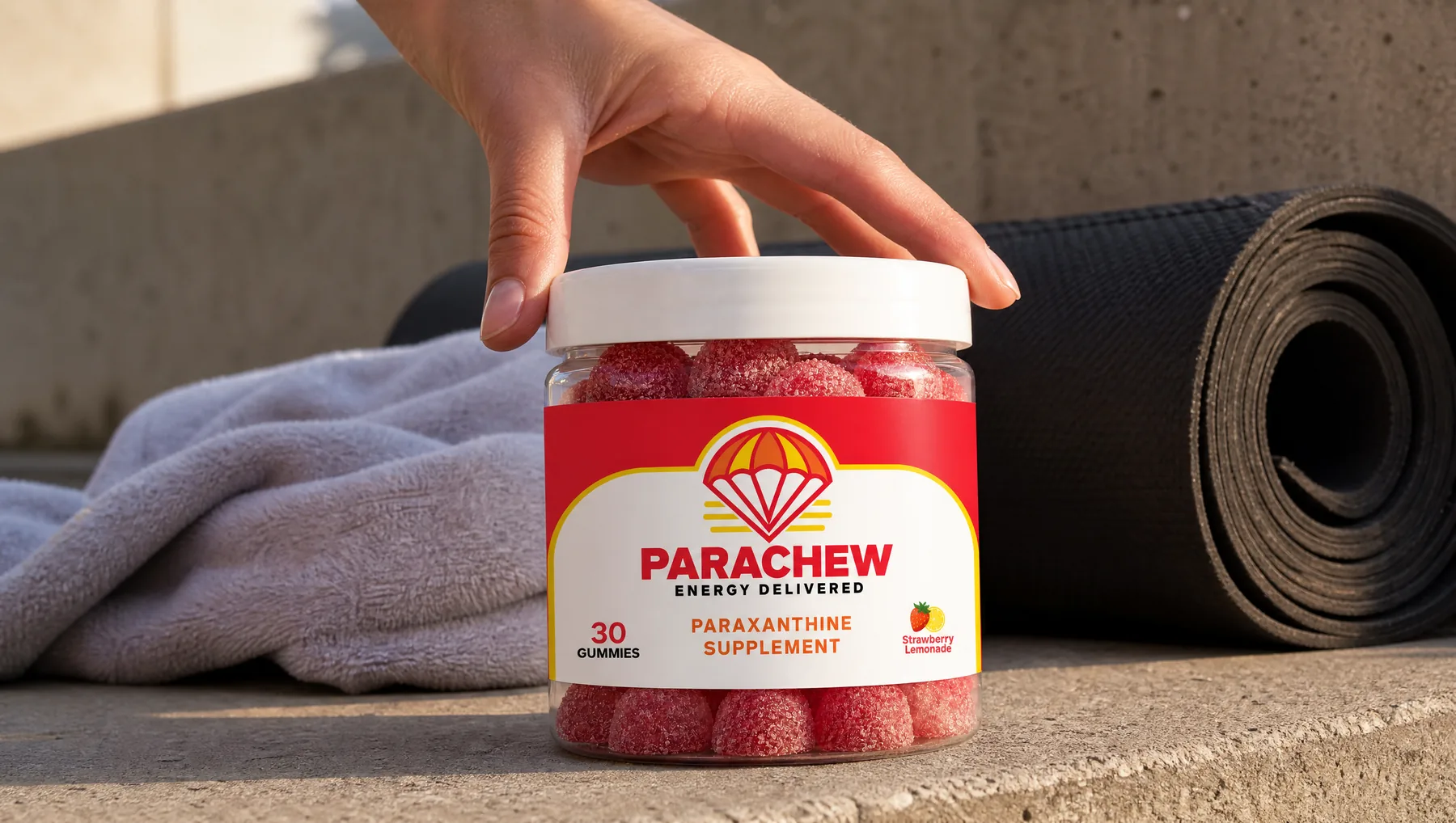
Paraxanthine in Sports Nutrition Compared to Caffeine-Based Formulas
The pre-workout and energy drinks market is built almost entirely around caffeine as the primary stimulant. Many products contain 150mg to 300mg per serving, doses that push or exceed what caffeine-sensitive individuals can handle without triggering side effects. A significant portion of the sports nutrition consumer base is forced to under-dose or avoid stimulants entirely as a result.
Paraxanthine as an alternative caffeine compound changes this dynamic. At doses consistent with international society sports nutrition trial protocols, paraxanthine produces adenosine receptor blockade that drives energy and focus without triggering the adrenergic response responsible for jitters and anxiety. Energy without the physiological cost is the mechanistic output of a compound that targets the performance pathway with greater selectivity.
Athletes who rely on precise motor control, including lifters, climbers, and combat sport practitioners, often find that elevated anxiety from caffeine works against technique at critical moments. Paraxanthine's narrower receptor profile supports alertness and focus while keeping the autonomic system calmer, a meaningful advantage in sports where jitter-free precision matters as much as raw output.
For the broader community of caffeine-sensitive athletes, the emergence of paraxanthine in sports nutrition products represents a long-overdue acknowledgment that a single-compound approach to stimulant supplementation excludes a meaningful segment of the performance market. Athletes who have been managing sensitivity for years by avoiding caffeine entirely now have a research-validated option that is purpose-built for their biology.
If you are planning your dose timing before training, Paraxanthine Onset Time: How Fast It Kicks In covers how quickly effects reach peak. For session planning around longer training blocks, How Long Does Paraxanthine Last? Duration of Effect Explained walks through the full pharmacokinetic window.
How to Use Paraxanthine for Working Out Caffeine-Free
Getting the most from paraxanthine for working out caffeine-free comes down to three practical parameters.
Dosing
Each Parachew gummy delivers 200mg of paraxanthine. The label-recommended daily maximum is 400mg per day, which equals two gummies. Start with one gummy taken 30 to 45 minutes before training to assess your individual response. For most users, 200mg is sufficient to produce the focus, drive, and reduction in perceived effort needed for a complete session without overloading the system.
For research-grounded context on upper limits, the Paraxanthine Daily Limit: How Much Is Too Much article addresses the dosing ceiling clearly.
Timing and Sleep
Paraxanthine clears the body faster than caffeine because its half-life is shorter. For afternoon and evening athletes who have struggled with caffeine disrupting sleep, this pharmacokinetic advantage matters practically. Allow at least five to six hours between your paraxanthine dose and intended sleep time. For most standard training windows this is a non-issue, but it is worth factoring in if you train late regularly.
Managing Caffeine Alongside Paraxanthine
If you are switching to paraxanthine because of caffeine sensitivity, let paraxanthine carry the stimulant load cleanly. A moderate cup of morning coffee is unlikely to create problems. But combining high-dose caffeine products or stacking energy drinks with paraxanthine reintroduces the side effect dynamic you were stepping away from. Keep caffeine intake minimal and let paraxanthine drive the performance signal.
Frequently Asked Questions
Is paraxanthine safe for regular use as a workout supplement?
Current peer-reviewed evidence, including the 2023 Journal of the International Society of Sports Nutrition study, found no significant adverse events in participants using paraxanthine at 100mg to 200mg daily doses. The compound has a well-characterized safety profile grounded in decades of caffeine metabolism research. Stay within the label maximum of 400mg per day and consult your physician if you have cardiovascular conditions or take medications that affect metabolism.
How does paraxanthine compare to caffeine for workout performance?
Research shows paraxanthine produces comparable improvements in reaction time, muscular endurance, and cognitive focus versus equivalent caffeine doses. The primary advantage is in side effects: paraxanthine users in clinical trials reported significantly lower jitteriness and anxiety, making it a better-matched option for caffeine-sensitive athletes without sacrificing the performance output they need from stimulant supplementation.
Will paraxanthine disrupt sleep if I take it before an afternoon workout?
Paraxanthine has a shorter half-life than caffeine and clears the body faster. Afternoon use is less likely to interfere with sleep than an equivalent caffeine dose. Leave at least five to six hours between your dose and intended sleep time. Many evening athletes find this window considerably more manageable than the longer clearance window caffeine requires.
Does paraxanthine cause a crash after training?
The crash associated with caffeine comes from adrenergic stimulation and the adenosine rebound that floods receptors as caffeine clears. Paraxanthine's more selective mechanism produces a smoother energy curve without that rebound spike. Clinical trial participants did not report the same post-session energy drop that caffeine users typically experience after high-dose supplementation.
Where can I get guidance on whether paraxanthine fits my training?
For questions about dosing, timing, or how the product fits your specific routine, you can reach Parachew support directly. The team can help you think through the right approach based on your training schedule, body weight, and caffeine sensitivity history.
Train Clean and Perform Better with Paraxanthine
For caffeine-sensitive adults, paraxanthine is not a compromise. The clinical data shows real performance gains with a side effect profile that makes stimulant support workable where caffeine is not. Explore the Parachew gummy formula and find out how clean, caffeine-free performance support fits into your training stack.


