
Paraxanthine vs caffeine comes down to one biological distinction with real performance consequences. Paraxanthine, the primary metabolite caffeine produces in your liver, blocks adenosine receptors just as effectively as its parent compound but skips the adrenal cascade responsible for jitters, anxiety, and energy crashes. For anyone building a serious performance stack, that difference is the deciding factor.
How Caffeine Is Metabolized in the Body
Caffeine enters your bloodstream fast and clears through the liver, where CYP1A2 enzymes break it down into three xanthine metabolites: paraxanthine (roughly 84% of total output), theobromine (roughly 12%), and theophylline (roughly 4%). Theobromine theophylline each carry distinct physiological properties, but paraxanthine is the compound that accounts for the majority of caffeine's cognitive and physical performance activity.
The core mechanism linking caffeine paraxanthine and all related xanthine compounds is adenosine receptor blockade. Adenosine accumulates in the brain during wakefulness and signals fatigue. When adenosine receptors are blocked, that signal is suppressed and the result is heightened alertness, faster reaction time, and sustained attention. Fredholm et al. (1999), in Pharmacological Reviews, identified this adenosine antagonism as the primary mechanism of action for caffeine and its metabolites in the human brain.
Beyond receptor blockade, caffeine also activates a secondary adrenal response: cortisol release, cardiovascular stimulation, and sympathetic nervous system activation. These are the effects caffeine produces that extend well past adenosine signaling and contribute to the jitter and anxiety profile that makes caffeine difficult for many people to use consistently.
Paraxanthine: The Metabolite Caffeine Converts Into
Your body does not run on caffeine directly. The sustained energy and focus you experience is largely powered by the metabolite caffeine converts into inside your liver. As the dominant metabolite, paraxanthine accounts for roughly 84% of caffeine's hepatic conversion and drives the majority of its cognitive benefits with a narrower pharmacological footprint than the parent compound.
Research comparing paraxanthine caffeine activity shows that paraxanthine binds adenosine receptors with high affinity while producing significantly less adrenal activation than caffeine itself. This selective receptor activity is what allows the human body to access clean energy, improved alertness, and sharper memory without the overstimulation that caffeine's full pharmacological profile introduces. Studies examining human performance on paraxanthine versus caffeine have found comparable improvements in muscular strength, reaction time, and cognitive markers, with better tolerability reported consistently in the paraxanthine groups.
Side Effects: Where Caffeine and Paraxanthine Actually Diverge
The side effects caffeine produces are among the most studied in nutritional pharmacology. Jitteriness, elevated heart rate, anxiety, disrupted sleep, and rebound fatigue when serum levels drop are predictable outcomes tied to caffeine's broad mechanism, specifically its adrenal activation pathway alongside adenosine blockade.
The side effects caffeine generates through that adrenal pathway do not replicate with paraxanthine at equivalent doses. Nehlig (2018), writing in Pharmacological Reviews, documented how individual variation in CYP1A2 enzyme activity determines how intensely people experience the side effects of caffeine based on how efficiently they convert the parent compound to its primary metabolites. Fast metabolizers reach the paraxanthine phase quickly and feel less of caffeine's adrenal load. Slow metabolizers accumulate caffeine longer and experience stronger systemic effects.
Supplementing with isolated paraxanthine removes that metabolic variable entirely. Users get adenosine receptor benefits without any of the side effects caffeine introduces through its secondary pharmacology. For athletes managing heart rate during training, or professionals who need focus without anxiety, this is a meaningful distinction in how energy supplementation performs in the body.

Head-to-Head Performance: Cognitive and Physical Output
When comparing paraxanthine vs caffeine for real-world output, both compounds improve alertness and attention through adenosine receptor blockade in the brain. The separation shows up in the quality of that alertness. Caffeine users frequently report a wired, over-stimulated state at higher doses. Paraxanthine users in clinical settings consistently report cleaner cognitive windows with less mental noise and fewer distractions from physical overstimulation.
Memory, reaction time, and executive function all benefit from adenosine suppression in the brain. Paraxanthine supports these same pathways without the cortisol spike caffeine introduces. Elevated cortisol over time negatively affects memory consolidation and decision-making, two performance factors that matter for athletes in competition and professionals managing extended cognitive loads.
For physical performance, research comparing paraxanthine and caffeine in human subjects has found strength and endurance benefits in both groups. The recovery advantage for paraxanthine users comes from reduced cardiovascular overstimulation during training sessions and better sleep quality post-training, since paraxanthine carries a narrower disruption to sleep architecture than caffeine at comparable doses.
Building a Sustainable Performance Stack
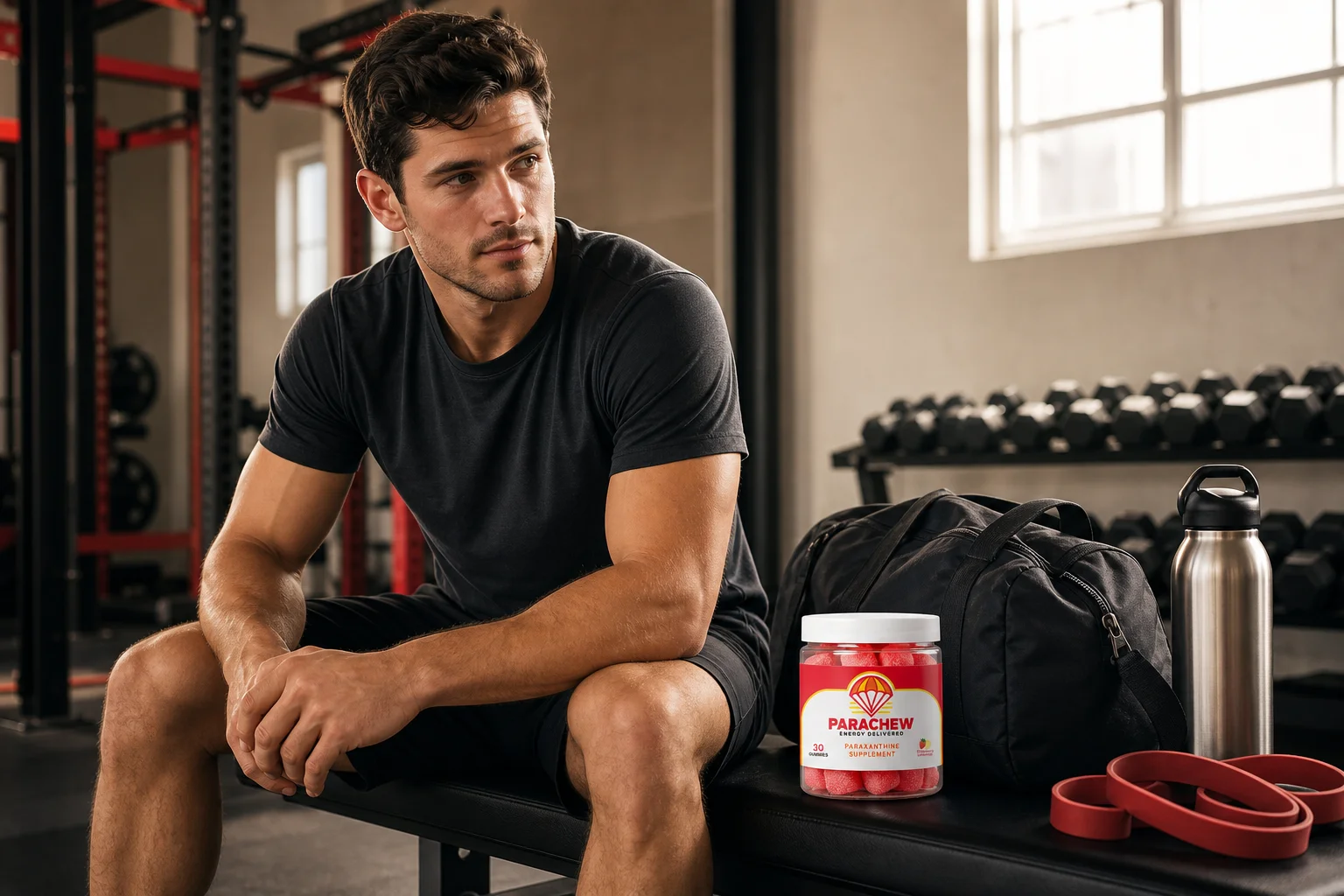
Paraxanthine in a purpose-built delivery format, like Parachew Energy Gummies, gives high-performers 200mg of paraxanthine per gummy in a consistent, convenient dose. The daily maximum per label guidance is 400mg, which equals two gummies, keeping intake within the ranges studied in clinical paraxanthine research on human subjects.
One underappreciated advantage over caffeine for long-term daily use is the reduced tolerance escalation pattern. Because paraxanthine does not drive the same adrenal stimulation caffeine does, users do not build the same dependency cycle that pushes caffeine intake upward over weeks and months. The result is a sustainable daily energy compound that performs consistently for athletes, entrepreneurs, and anyone whose output depends on reliable cognitive and physical performance day after day.
Frequently Asked Questions
Is paraxanthine safer than caffeine for daily use?
Paraxanthine has a more selective pharmacological profile than caffeine. It targets adenosine receptors without triggering the adrenal cascade caffeine activates, which means fewer cardiovascular and anxiety-related effects. For most healthy adults, this makes paraxanthine a more tolerable daily energy compound, particularly at the 200 to 400mg range studied in published human research on this stimulant.
How does paraxanthine compare to caffeine for focus and memory?
Both compounds improve focus by blocking adenosine receptors in the brain, suppressing the fatigue signal and keeping cognitive function sharp. Paraxanthine achieves this without the cortisol elevation caffeine causes, resulting in more sustained clarity during extended focus sessions. Studies in human subjects have found paraxanthine users score well on memory recall and reaction time tasks compared to both caffeine and placebo groups.
Can I use paraxanthine if caffeine makes me anxious?
Yes. The anxiety many people experience from caffeine is tied to its adrenal stimulation and cortisol response, not to adenosine receptor blockade itself. Paraxanthine delivers energy and focus through adenosine receptor activity while avoiding the pathways that generate caffeine-induced anxiety. Individuals who are caffeine-sensitive typically find paraxanthine a significantly more comfortable daily alternative.
How much paraxanthine is in each Parachew gummy?
Each Parachew gummy contains 200mg of paraxanthine. The daily maximum per label is 400mg, equal to two gummies. This dose aligns with the ranges examined in clinical paraxanthine research and is designed to deliver full cognitive and physical performance benefits within a well-studied daily window.
Does paraxanthine disrupt sleep the way caffeine does?
Paraxanthine is processed with a narrower disruption to sleep architecture than caffeine. Because it does not carry caffeine's adrenal load, afternoon doses are less likely to interfere with sleep onset and sleep quality. Individual timing sensitivity varies, and taking any adenosine-blocking compound close to bedtime may still affect some users, but the overall sleep disruption profile is more favorable than caffeine.
If you are ready to replace caffeine's broad stimulant load with a cleaner, more targeted energy compound, Parachew Energy Gummies deliver 200mg of paraxanthine per gummy with no jitters and no crash. Questions about how paraxanthine fits your performance routine? Contact the Parachew team.


