
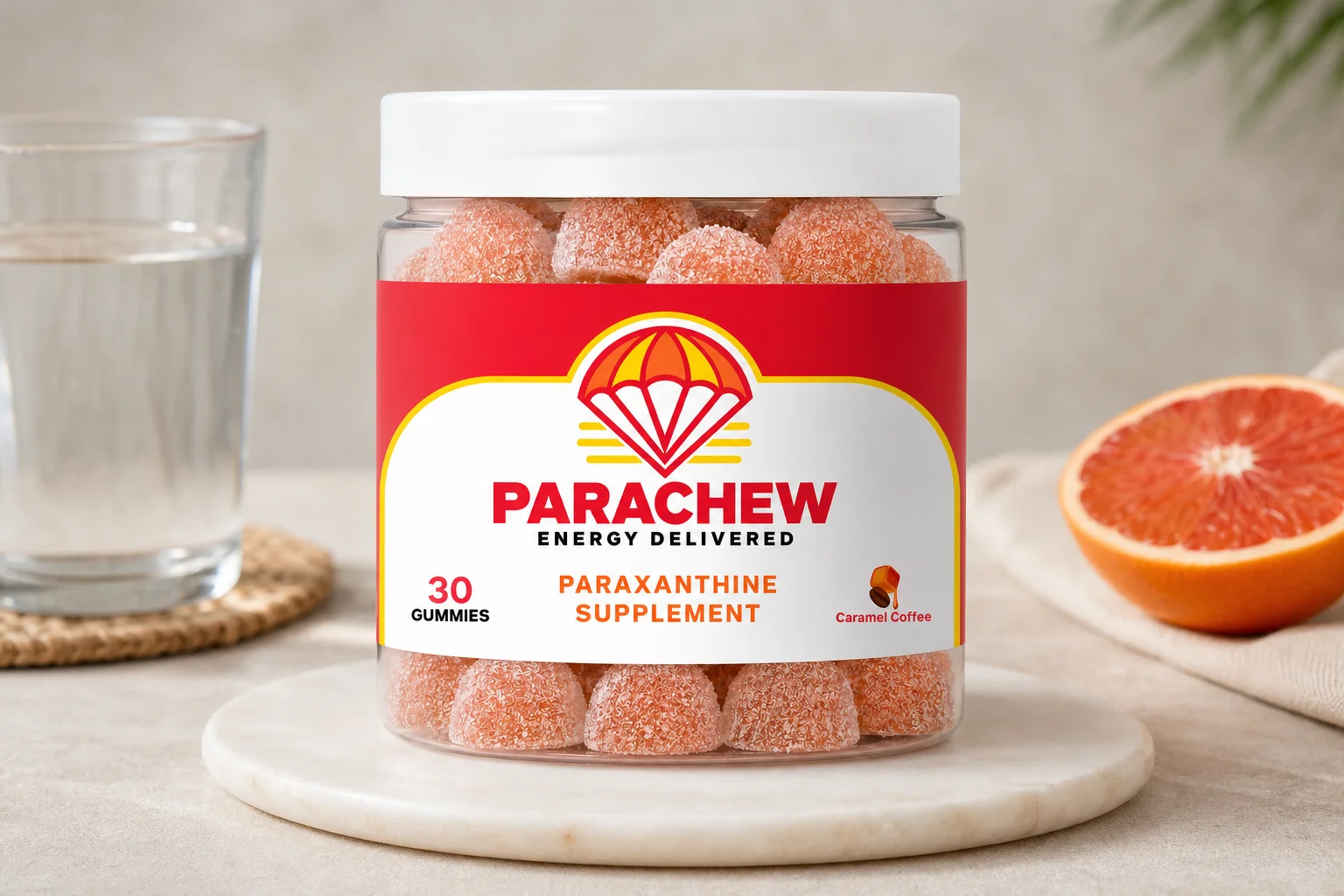
Paraxanthine + creatine is one of the most practical stacks in strength training right now. Paraxanthine delivers clean, jitter-free energy while creatine fuels explosive power output, and together they cover two distinct performance pathways. For athletes wanting a pre-workout that actually performs, Parachew energy gummies make this stack easy to build on.
By Parachew Team, McAb Nutra
Why Strength Athletes Are Pairing These Two Compounds
Creatine monohydrate has been a cornerstone of sports nutrition for decades, with research consistently showing it increases phosphocreatine stores in muscle, allowing for greater power output during high-intensity sets. But creatine addresses the cellular energy side of training, not the neurological side. Mental sharpness, sustained motivation, and focus under fatigue are separate variables, and they matter just as much when you are moving near-maximal loads.
That is where paraxanthine steps in. Paraxanthine is the primary metabolite of caffeine, and it is what your body naturally produces after consuming coffee. The key distinction is that paraxanthine works without triggering the side effects many athletes associate with high-stimulant pre-workouts, including elevated heart rate and blood pressure responses. In direct comparisons, compared caffeine, paraxanthine has shown a cleaner stimulant profile, making it a compelling option for athletes who want performance edge without the physiological noise.
How Paraxanthine Works in Sports Nutrition
Understanding paraxanthine starts with the caffeine paraxanthine relationship. When you consume caffeine, your liver converts it into three metabolites: paraxanthine (roughly 84%), theobromine, and theophylline. Paraxanthine is the active compound most responsible for the alertness and energy lift you feel. It blocks adenosine receptors, the same primary mechanism as caffeine, but with a different downstream effect on cardiovascular markers.
The sports nutrition evidence is building steadily. A 2021 study by Yoo et al. published in the Journal of the International Society of Sports Nutrition found that paraxanthine supplementation improved cognitive function, reaction time, and subjective energy compared to placebo. Participants also reported fewer jittery sensations relative to equivalent caffeine doses, which matters during technical lifting where precision and body awareness are critical.
Unlike energy drinks that often combine high caffeine loads with additional stimulant blends, paraxanthine targets adenosine receptors with a more focused mechanism. This approach is associated with less blood pressure elevation and a more stable heart rate response during exercise, which is one reason the paraxanthine caffeine conversation is gaining real traction among performance athletes.
What Creatine Does and Where Paraxanthine Fills the Gap
Creatine monohydrate works by replenishing ATP during short, maximal-effort contractions, the kind that show up in heavy squats, deadlifts, and sprint intervals. Research from Rawson and Volek published in the Journal of Strength and Conditioning Research (2003) confirmed that creatine significantly increased strength gains during resistance training, with average one-rep max improvements of 5 to 15 percent across multiple compound movements.
What creatine does not provide is the neurological arousal and mental drive athletes rely on during early morning sessions or back-to-back training days. Cognitive function dips with accumulated fatigue, and creatine has no direct mechanism for sustaining attention or motivation during a hard session. This is where the paraxanthine + creatine pairing makes practical sense: one compound handles cellular energy, the other handles mental edge.
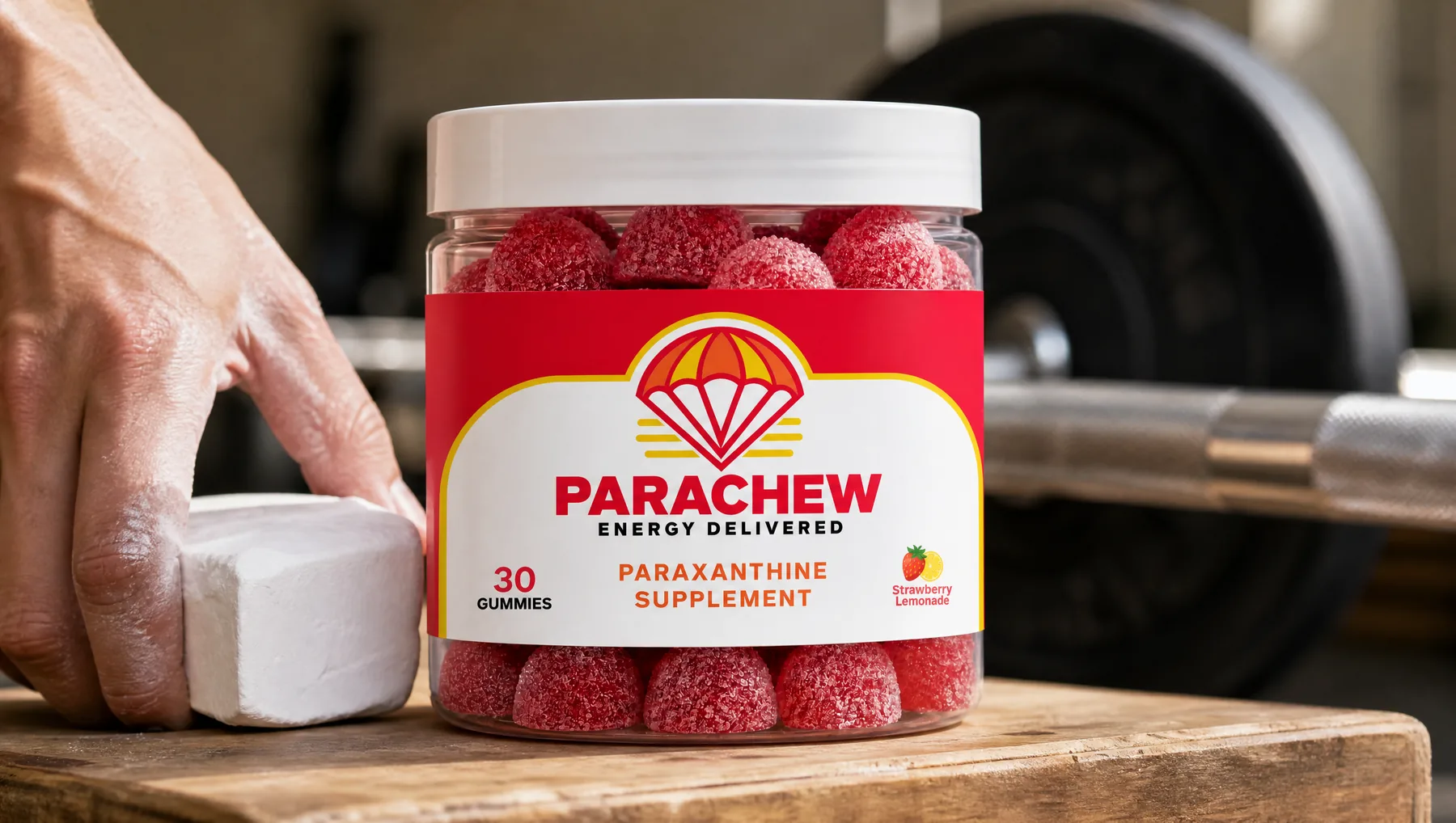
A 2022 study by Taylor et al. published in Nutrients noted that cognitive function and reaction time during resistance training directly influence technical execution quality and injury risk. Athletes who train distracted or mentally fatigued make worse movement decisions. Paraxanthine addresses this directly in a way that creatine cannot, rounding out a stack that covers both the physical and neurological demands of strength training.
How to Build Your Paraxanthine + Creatine Pre-Workout Stack
Getting the timing right on this stack is straightforward. Creatine monohydrate is typically taken as a daily maintenance dose of 3 to 5 grams. Its benefits come from sustained muscle saturation rather than acute dosing, so timing relative to workouts is flexible. Kreider et al. (Journal of the International Society of Sports Nutrition, 2017) confirmed that daily creatine use at standard doses is safe and effective for long-term strength athletes.
Paraxanthine, on the other hand, is taken pre-workout for acute performance support. This paraxanthine pre-workout timing allows the compound to peak in your system during the training window. Each Parachew gummy contains 200mg of paraxanthine. The daily maximum is 400mg (2 gummies) per label guidelines. Parachew recommends not exceeding this limit or combining with additional caffeine from energy drinks or coffee without monitoring your total daily stimulant intake.
For most athletes, one gummy taken 30 to 45 minutes before training covers the focus and energy window of a full strength session. Because paraxanthine compared caffeine has a cleaner clearance profile, it is less likely to interfere with sleep recovery, even for athletes who train in the afternoon or evening.
What Athletes Report
Athletes transitioning from caffeine-heavy pre-workouts to paraxanthine often note fewer incidents of heart rate spikes mid-session, less post-training jitteriness, and more consistent energy throughout the workout without a hard crash afterward. These observations align with the side effects profile seen in paraxanthine caffeine research: paraxanthine appears to spare cardiovascular strain while preserving the cognitive and performance benefits. If you have questions about how to structure this stack for your specific training demands, reach Parachew support for guidance.
Frequently Asked Questions
Does paraxanthine interfere with creatine absorption? No current evidence suggests paraxanthine interferes with creatine uptake or muscle saturation. The two compounds operate through entirely different mechanisms. Creatine works at the cellular energy level via ATP replenishment, while paraxanthine works at the adenosine receptor level in the brain. They can be taken together pre-workout without known interaction concerns based on current published research.
Is the paraxanthine + creatine stack safe for daily use? Creatine is one of the most researched compounds in sports nutrition and is considered safe for daily long-term use at standard doses. Paraxanthine is well tolerated at the doses in Parachew gummies (200 to 400mg daily). Stay within the label maximum and avoid stacking with additional caffeine sources such as energy drinks to keep total stimulant intake within a responsible range.
Will paraxanthine raise my heart rate or blood pressure? Research comparing paraxanthine caffeine head-to-head suggests paraxanthine has a more favorable cardiovascular profile than caffeine alone. Studies have shown less pronounced heart rate and blood pressure responses compared caffeine at equivalent doses. Individual responses vary, and athletes with cardiovascular conditions should consult a physician before adding any stimulant compound to their training regimen.
How long does it take for creatine to produce results? Most research shows meaningful strength and power increases after 4 to 6 weeks of consistent creatine use at maintenance doses. Some athletes use a loading phase of approximately 20 grams per day for 5 to 7 days to saturate muscles faster, though long-term outcomes are similar regardless of whether a loading phase is used.
Can I use this stack if I am sensitive to caffeine? If you are sensitive to caffeine, paraxanthine may be a better fit. The side effects associated with caffeine paraxanthine sensitivity tend to differ from those of caffeine itself. Paraxanthine produces fewer jitter-related side effects at comparable doses per published comparisons. Starting with one Parachew gummy (200mg) lets you assess your individual tolerance before increasing to two.
Power Up Your Training with the Right Pre-Workout Stack
If you are serious about strength performance, the paraxanthine + creatine combination covers two gaps that most pre-workouts leave open: cellular energy and mental drive. Explore the Parachew gummy formula to see how paraxanthine fits into a strength training routine built around clean, research-backed inputs.


