
Paraxanthine delivers most of the benefits caffeine is known for, with a significantly cleaner side effect profile. As the primary metabolite caffeine converts into during liver metabolism, paraxanthine caffeine research shows it blocks adenosine receptors for clean, sustained energy and sharp focus without the jitters, blood pressure spikes, or crashes caffeine is associated with.
How Paraxanthine Works in the Body
When you drink coffee or crack open an energy drink, your liver begins breaking caffeine down into three xanthine metabolites. Paraxanthine accounts for roughly 84% of that breakdown, making it the dominant metabolite caffeine produces. The others include theobromine theophylline and a small number of other xanthine compounds that account for a much smaller share.
Both caffeine and paraxanthine block adenosine receptors in the brain. Adenosine is the compound that accumulates throughout the day and signals your nervous system to slow down and prepare for sleep. By occupying adenosine receptors, both molecules keep alertness elevated and cognitive output running at a higher baseline.
The critical distinction comes at the level of receptor selectivity. Paraxanthine binds adenosine receptors with greater specificity than caffeine, which interacts with a broader range of receptors in the body. That broader interaction is where the cardiovascular stress, jitteriness, and blood pressure elevation commonly linked to caffeine originate. Paraxanthine's narrower receptor target means fewer off-target effects throughout the body.
What the Research Shows on Energy and Performance
The science on paraxanthine as a standalone compound has grown considerably, with several rigorous human trials now published in peer-reviewed literature.
A study by Yoo et al. (2021, Nutrients, PMID 34684632, DOI: 10.3390/nu13113907) tested paraxanthine supplementation against caffeine in a double-blind, placebo-controlled human trial. The study found that paraxanthine produced significantly improved reaction time, working memory, and sustained cognitive performance compared to placebo. Participants also reported increased alertness without the anxiety spikes associated with caffeine at equivalent doses.
Earlier research in animals, including studies using rats, established that paraxanthine carries stimulant-level effects comparable to caffeine at similar dose ranges while producing fewer cardiovascular stress markers. The effects paraxanthine shows in animal models have translated into human research with notable consistency, which is not always the case for novel compounds.
The metabolite caffeine produces, it turns out, is where most of the functional performance action actually lives.
Side Effects: Where Paraxanthine Has the Clear Advantage
Side effects are the single biggest reason researchers and high-performers are paying close attention to paraxanthine. Caffeine paraxanthine comparisons consistently show that caffeine's most disliked effects, including jitteriness, anxiety, increased blood pressure, and post-dose crashes, trace back to caffeine's broader receptor activity rather than its core adenosine-blocking mechanism.
Paraxanthine does not carry the same blood pressure response. Yoo et al. (2021, Nutrients) found that subjects reported significantly lower jitter and anxiety scores after paraxanthine compared to caffeine, while energy and focus outcomes were statistically equivalent. The benefits caffeine delivers across alertness, focus, and cognitive endurance were preserved while the most commonly cited side effects were measurably reduced.
For anyone who has experienced the ceiling-and-floor pattern of a heavy energy drink, where the caffeine pushes you too high and the drop hits at the worst moment, paraxanthine offers a flatter, more sustained output curve.
Paraxanthine in Energy Drinks and Next-Generation Products
The energy drink category has historically leaned on caffeine as its primary stimulant, often stacked with sugar and a long list of additives. As consumer demand shifts toward cleaner, more functional products, paraxanthine is entering the picture as a serious alternative.
Where a standard energy drink delivers caffeine with its full range of side effects, a paraxanthine-based supplement delivers the same core mechanism, adenosine receptor blockade, without the cardiovascular noise. For athletes, not spiking blood pressure before a heavy training session matters. For entrepreneurs managing long focused work days, avoiding the anxious overshoot that caffeine can trigger is the difference between productive and counterproductive stimulation.
It is also worth noting that coffee drinkers are largely responding to the paraxanthine their body produces from the caffeine they consumed. The clean energy people attribute to a well-timed cup of coffee is in large part the effects of this metabolite at work.
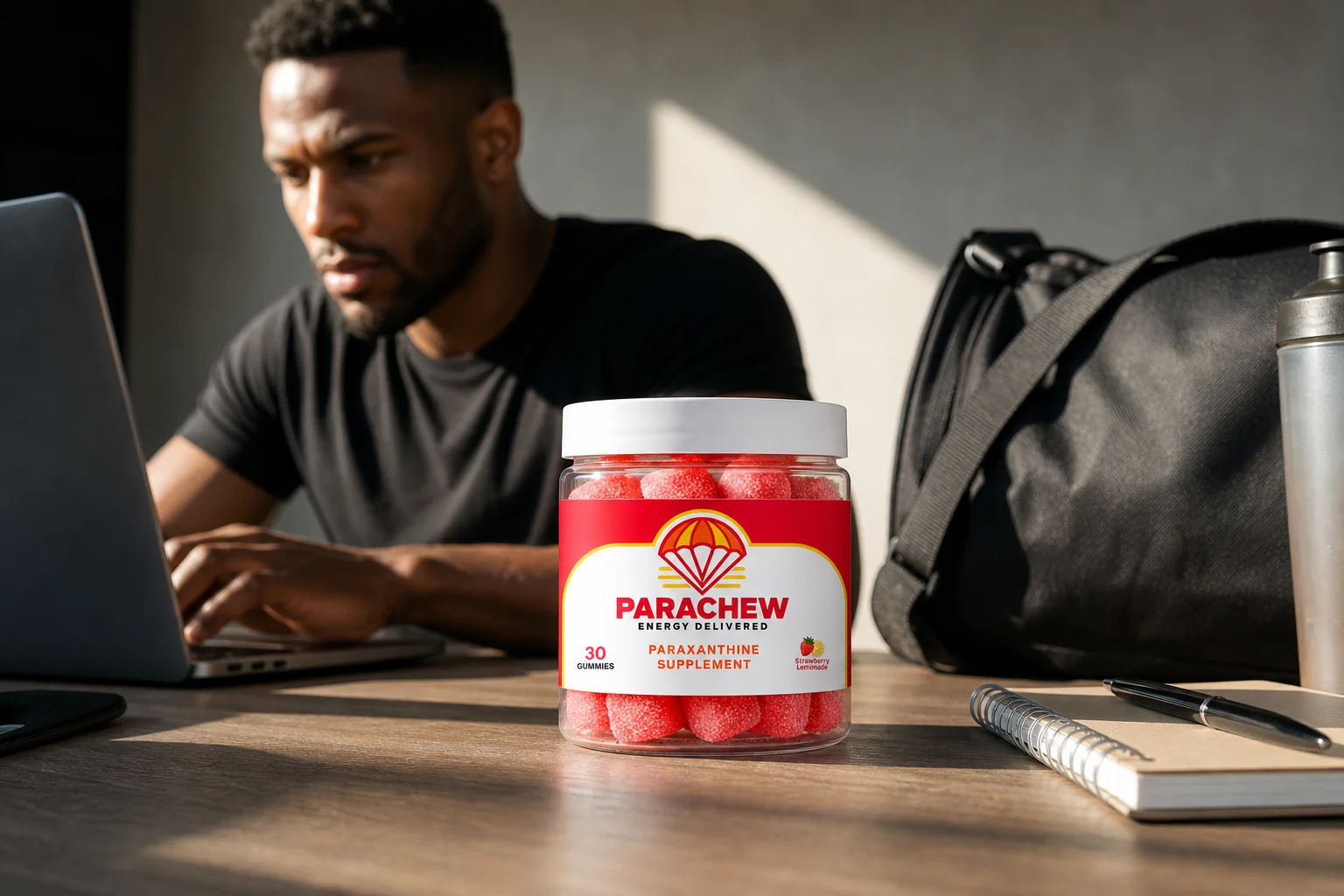
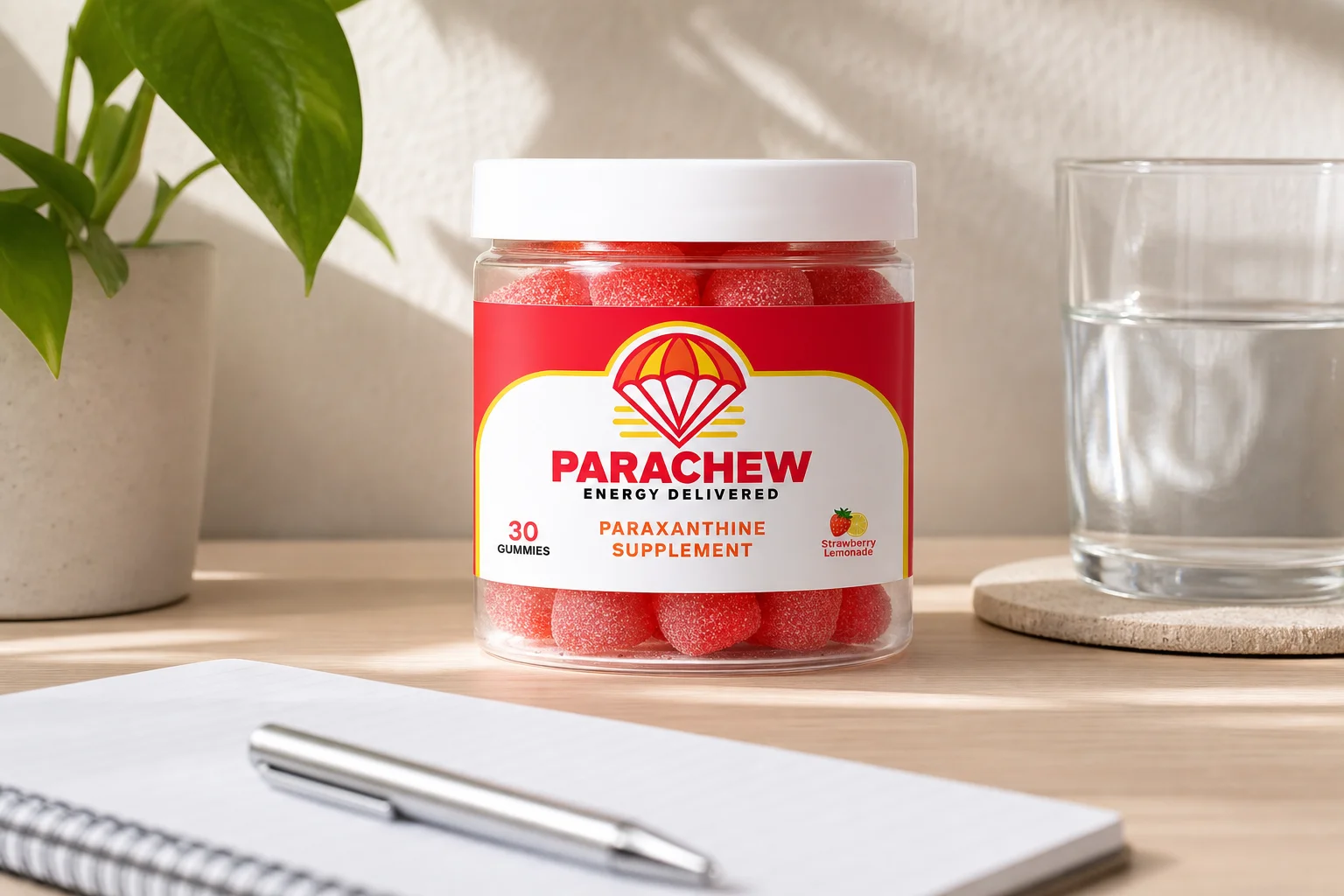
Parachew Energy Gummies use 200mg of paraxanthine per gummy, matching the dose ranges tested in published human trials. The daily maximum is 400mg, or 2 gummies, per label guidance. That keeps usage within the studied, predictable range without the risk of stacking multiple high-caffeine drinks or products.
Cognitive Performance and the Ability to Sustain Attention
Peak performance is not about a single spike in output. It is about the ability to sustain attention across hours of competition, training, or deep work. This is where paraxanthine's receptor profile becomes most relevant for competitive athletes and high-output professionals.
The Yoo et al. (2021) trial specifically measured participants' ability to sustain attention across a timed cognitive battery. Paraxanthine produced statistically significant improvements compared to both caffeine and placebo on sustained attention metrics, including accuracy under cognitive load and memory recall speed.
Caffeine often produces an early alertness peak followed by increased error rates as cardiovascular activation and cortisol levels shift. Paraxanthine's more selective adenosine receptor binding appears to produce a steadier cognitive performance curve, which aligns with what most users report in real-world conditions.
Frequently Asked Questions
Is paraxanthine better than caffeine for athletes?
Research to date, including Yoo et al. (2021, Nutrients, PMID 34684632), shows paraxanthine produces equivalent energy and focus benefits compared to caffeine with significantly fewer reported side effects including jitteriness and cardiovascular stress. For athletes who need clean pre-workout stimulation without blood pressure spikes or post-dose crashes, the science supports paraxanthine as the more precise functional tool.
What is the relationship between paraxanthine and caffeine?
Paraxanthine is the primary metabolite caffeine breaks down into via liver metabolism, accounting for approximately 84% of the total breakdown. Most researchers now believe the paraxanthine caffeine produces in the body is responsible for the majority of caffeine's recognized energy, alertness, and performance benefits.
Does paraxanthine raise blood pressure?
Unlike caffeine, paraxanthine does not produce a significant blood pressure elevation at effective doses. This is one of its primary advantages over caffeine in published trials. The cardiovascular pressor response associated with caffeine traces to its broader receptor activity, which paraxanthine's more selective binding profile largely avoids.
Can I replace my energy drink with paraxanthine?
Yes. A paraxanthine-based supplement can replace a standard energy drink for most use cases. You get the same adenosine-blocking benefits caffeine is known for, without the side effects. Start with one 200mg dose and assess how your body responds before moving to two per day.
Are there any side effects with paraxanthine?
Paraxanthine is well-tolerated in human studies at doses up to 400mg per day. It is a stimulant compound and should not be combined with additional stimulants without reviewing your total daily intake. Unlike caffeine, paraxanthine does not carry documented risk of jitteriness, blood pressure increases, or acute anxiety at studied dose levels.
If clean, research-backed energy is what you are after, paraxanthine is the compound to know. Grab Parachew Energy Gummies and experience the difference between caffeine and the metabolite doing most of the work.


