
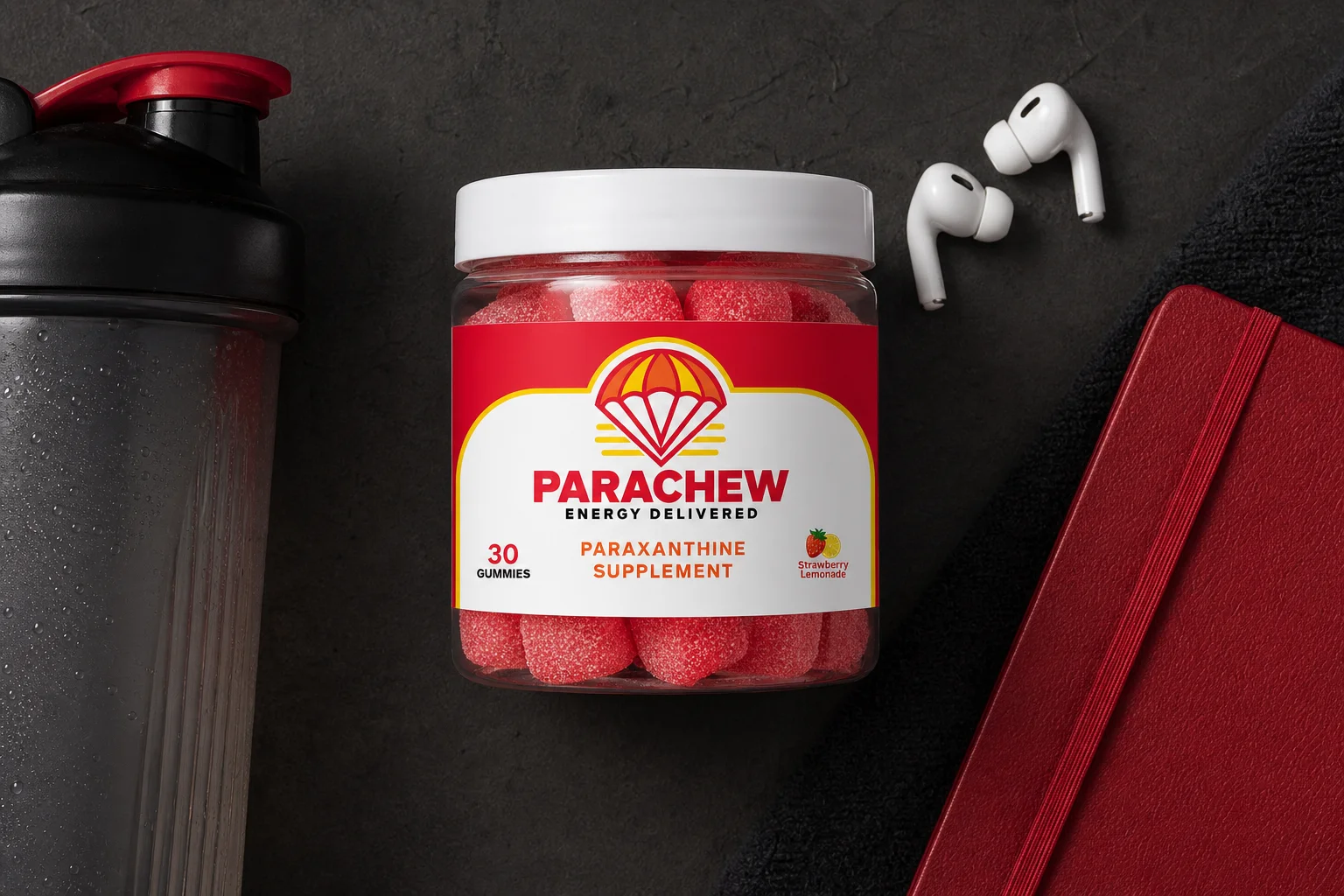
Paraxanthine works in the body by binding to adenosine receptors to block fatigue signals, activating dopamine pathways for sharper focus, and supporting metabolic energy production without overstimulation. As the primary active metabolite caffeine produces in humans, paraxanthine delivers targeted stimulation that supports cognitive performance, physical output, and clean energy from the first dose.
From Caffeine to Paraxanthine: What Your Liver Is Actually Making
When you drink coffee or take a caffeine supplement, the liver's CYP1A2 enzyme metabolizes it into three distinct compounds: paraxanthine, theobromine, and theophylline. The secondary byproducts theobromine theophylline account for a smaller share of the metabolic output. Paraxanthine dominates, representing approximately 84% of caffeine's metabolic fate in most humans, according to research by Benowitz et al. published in Clinical Pharmacology and Therapeutics (1995).
This is why understanding the metabolite caffeine produces matters more than focusing on caffeine alone. The effects caffeine generates in the brain and body are largely the downstream result of what paraxanthine does once the enzyme cascade completes. Paraxanthine is the primary driver of the performance benefits that caffeine is credited for, which is exactly why it is now studied and delivered as a standalone compound.
How Paraxanthine Blocks Adenosine Receptors
Fatigue is not random. It is the result of adenosine, a neuromodulatory compound, accumulating in the brain throughout the day and binding to adenosine receptors, specifically the A1 and A2A subtypes. When adenosine occupies these receptors, neural firing rates slow, alertness drops, and the body moves toward sleep readiness.
Paraxanthine directly competes with adenosine for these receptor binding sites. By blocking adenosine receptors, paraxanthine prevents the fatigue signal from landing. Research by Daly et al. in Pharmacology and Therapeutics (2007) confirmed that paraxanthine binds to adenosine receptors with high affinity, showing higher selectivity than caffeine for the receptor subtypes most associated with alertness and wakefulness. That selectivity is central to the cleaner energy experience users report: robust adenosine blockade without triggering the broader adrenergic activation responsible for caffeine's unwanted effects.
Dopamine, Motivation, and Cognitive Performance
Blocking adenosine receptors is only part of the mechanism. Adenosine and dopamine receptors interact at the cellular level through receptor cross-talk. When adenosine is blocked, dopamine receptors in the striatum and prefrontal cortex achieve higher sensitivity and activity levels, amplifying dopamine's effects on motivation, attention, and executive function.
Ferre et al. documented this mechanism in the Journal of Neurochemistry (2008), explaining how xanthine-class compounds including paraxanthine enhance dopamine signaling through adenosine receptor antagonism. This supports not just wakefulness but genuine cognitive function, including working memory, reaction time, and sustained focus that holds across long work sessions.
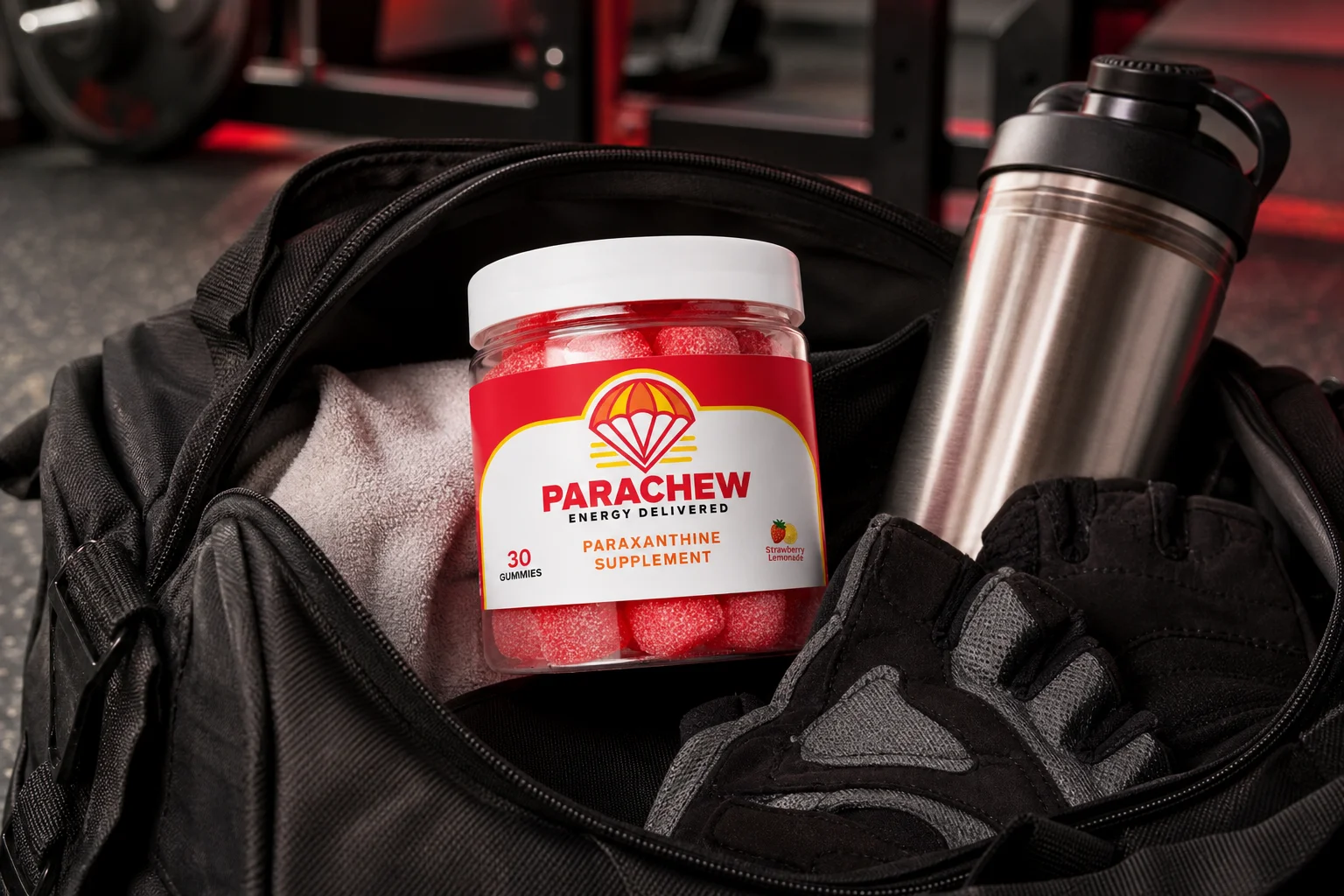
The dopamine connection also extends to physical output. Dopamine modulates perceived exertion and tolerance for high-intensity effort, making paraxanthine as relevant on the gym floor as it is at the desk. Parachew Energy Gummies are built on this mechanism, delivering 200mg of paraxanthine per gummy to support both mental and physical performance in a single clean dose.
Paraxanthine Caffeine: What the Research Says
Direct comparisons of paraxanthine caffeine outcomes show a clear performance story for the isolated metabolite. A double-blind crossover study by Yoo et al. published in the Journal of the International Society of Sports Nutrition (2021) tested caffeine paraxanthine substitution head-to-head. Participants taking paraxanthine showed similar or improved cognitive function, reaction time, and muscular endurance compared caffeine at equivalent doses, while reporting significantly fewer stimulant effects like jitteriness and anxiety.
This is a critical finding. The effects caffeine is credited for in sport and productivity contexts are largely the work of paraxanthine anyway. Isolating it removes the secondary receptor activations associated with the side effects of caffeine without sacrificing the performance outcomes that matter. Paraxanthine also clears the system faster than caffeine, with a shorter half-life that lowers the risk of late-day energy interference with sleep.
Blood Pressure, Side Effects, and Safety
Among the concerns that high-performers bring to stimulant supplementation, blood pressure is primary. Caffeine raises blood pressure partly through adrenergic receptor stimulation and increased adrenaline output. Paraxanthine is more selective, targeting adenosine receptors without triggering the same degree of adrenergic activation. In the Yoo et al. (2021) trial, paraxanthine produced a lower blood pressure response than caffeine at comparable doses across human studies.
On the broader topic of side effects: the side effects associated with caffeine, including jitteriness, anxiety, heart palpitations, and sleep interference, are not characteristics of paraxanthine. They arise from caffeine's less selective receptor mechanism. Paraxanthine helps users sidestep these issues through how precisely it acts on adenosine receptors and related signaling pathways. Current human studies support a favorable tolerability profile for paraxanthine at doses used in sports nutrition. Parachew delivers 200mg per gummy, with a daily maximum of 400mg (2 gummies) per label guidance.
Metabolic Function and Endurance Support
Paraxanthine's influence reaches into metabolic function during exercise. Research reviewed by Massey and Lopes in Pharmacology (2003) documented the ability of xanthine compounds including paraxanthine to enhance lipolysis, increasing free fatty acid levels in circulation for use as fuel. This allows athletes to spare muscle glycogen and extend endurance output longer into a session.
This metabolic activity pairs with the dopamine and adenosine mechanisms above, making paraxanthine a multi-pathway performance compound. It supports energy from several angles simultaneously: reduced fatigue perception, sharpened focus, improved motivation, and better metabolic substrate access during physical effort. The combined result is a benefit that holds up across different training demands and work contexts.
Frequently Asked Questions
Is paraxanthine the same as caffeine? No. Paraxanthine is a metabolite caffeine is broken down into by the liver's CYP1A2 enzyme. While both block adenosine receptors to reduce fatigue, paraxanthine is more selective in how it binds at the receptor level. This selectivity is why paraxanthine delivers cognitive performance benefits similar to caffeine while producing fewer of the side effects commonly associated with caffeine use.
How does paraxanthine support cognitive function? Paraxanthine blocks adenosine receptors, preventing fatigue signals from slowing neural activity. It also amplifies dopamine signaling through receptor cross-talk, supporting attention, working memory, motivation, and reaction time. The Yoo et al. (2021) study found cognitive performance on paraxanthine was similar to or better than on caffeine, with a cleaner stimulant profile and fewer reported side effects.
Does paraxanthine raise blood pressure? At studied doses, paraxanthine produces a smaller blood pressure response compared to caffeine. Because paraxanthine avoids significant adrenergic activation, cardiovascular stimulation is lower. Human studies including Yoo et al. (2021) support this finding when directly compared to standard caffeine supplementation at equivalent doses.
What side effects are associated with paraxanthine? Side effects commonly linked to caffeine, including jitteriness, anxiety, and gastrointestinal discomfort, are not characteristic of paraxanthine at doses used in performance supplements. Paraxanthine's more selective receptor binding profile is why it helps users sidestep those effects. Parachew recommends staying within the daily maximum of 400mg, which equals 2 gummies per day.
Can paraxanthine be used long-term? Current human studies and tolerability data suggest paraxanthine is well-suited for regular use. Its shorter half-life compared to caffeine means it clears the system faster, reducing the risk of sleep disruption and potentially slowing long-term tolerance buildup. Following label dosing guidance keeps the daily intake within studied and supported ranges.
Paraxanthine delivers clean, targeted energy by working with the body's own neurochemistry rather than overwhelming it. If you are ready to feel what focused energy is supposed to feel like, start with Parachew Energy Gummies.


